
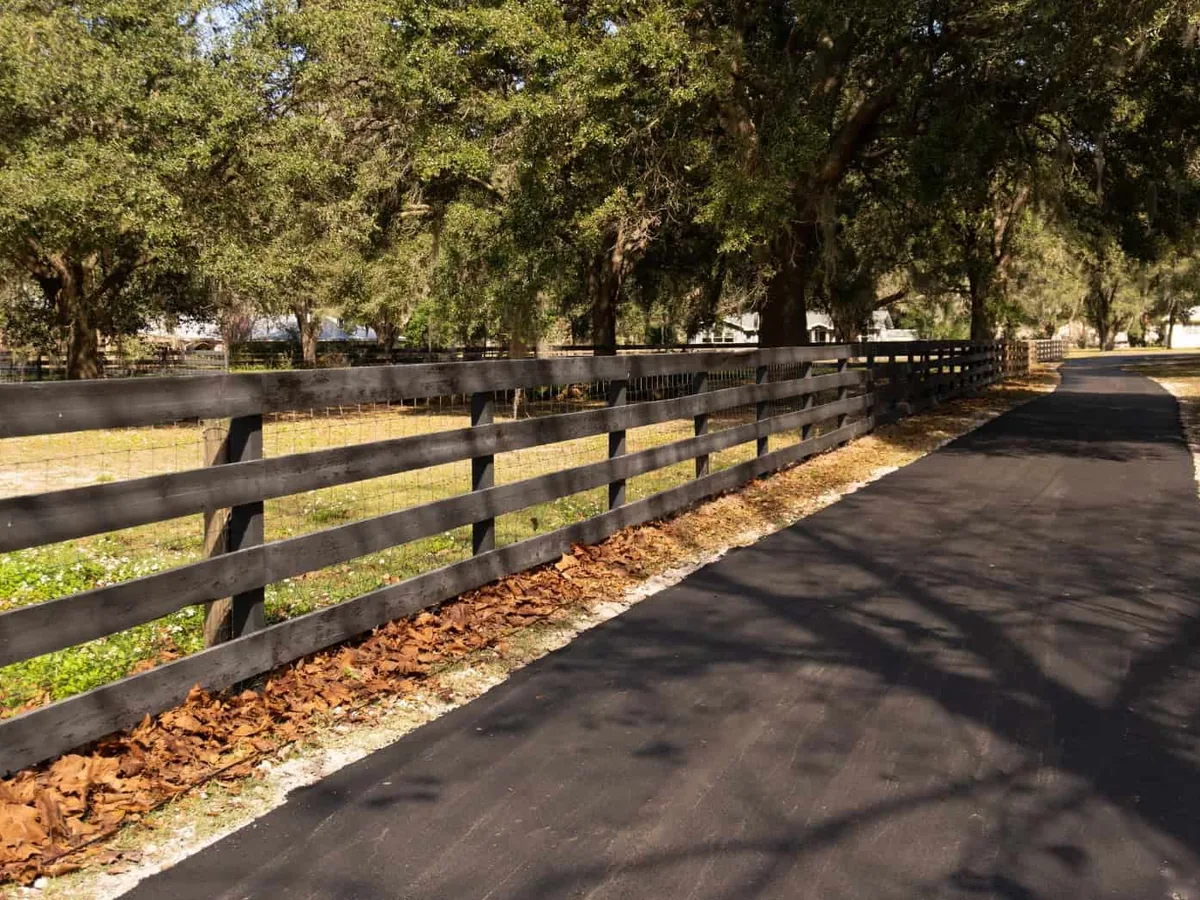
Road Paving
We build and rebuild private roads, subdivision streets and shared driveways in hot mix asphalt. The road gets graded, crowned and based first, so water leaves it instead of sitting in ruts.
Learn More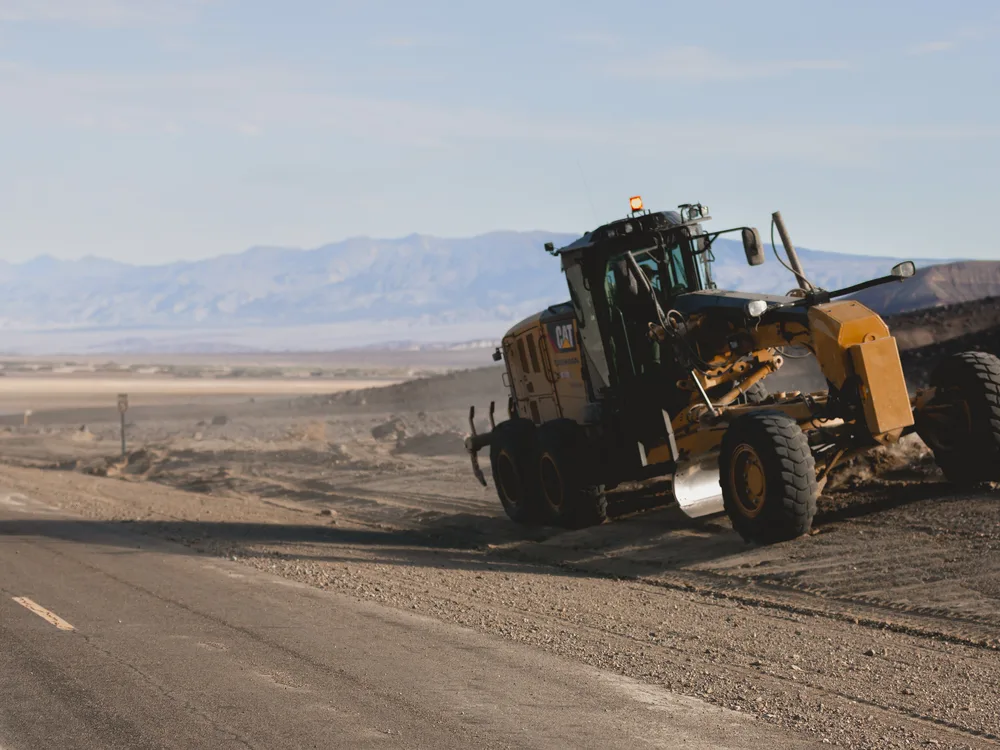
Road repair and maintenance keeps a paved road sound after years of rain and heavy trucks. We work on private roads, subdivision streets and church and camp roads. We also take on street maintenance for towns and utility boards. We cover about 100 miles around Grove Hill, with a second yard in Robertsdale.
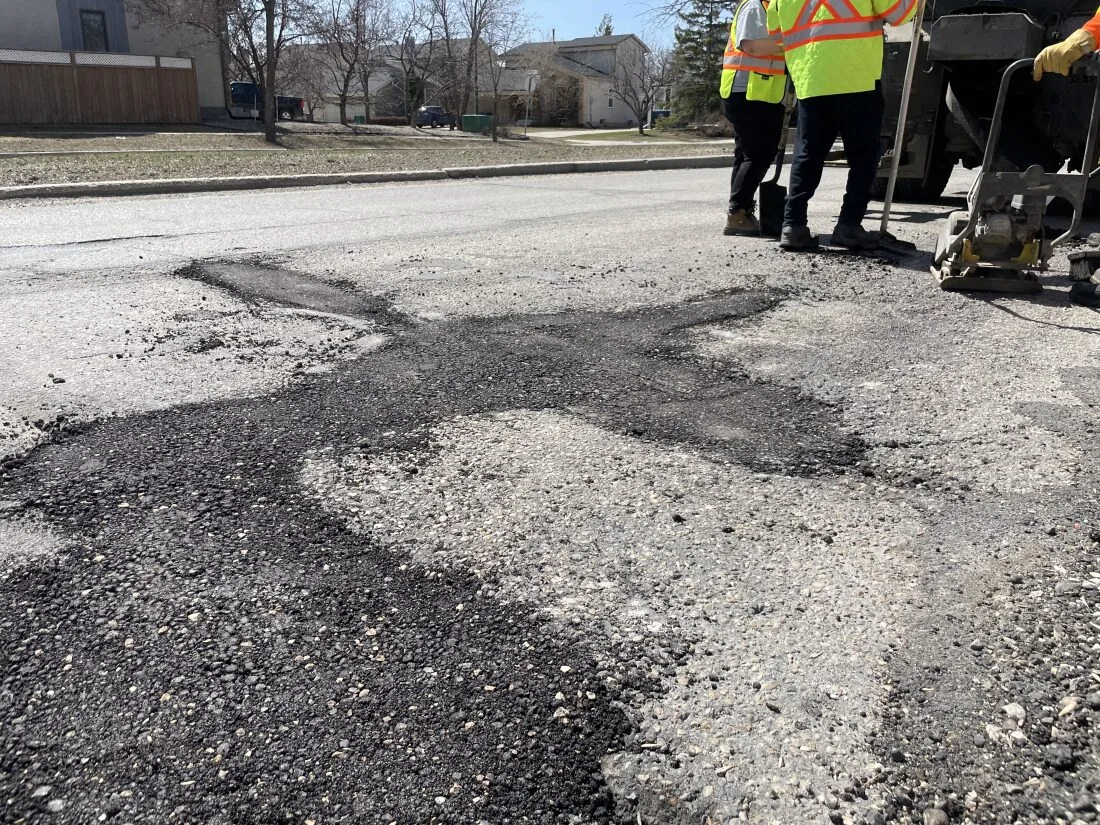
Most road trouble starts with water, so road repair starts with the ditches and the shoulders. Then failed spots are cut out, the base is rebuilt where it gave way, and hot mix goes back in. That is the same asphalt repair and patching we do on driveways and lots. We come out, look over the whole road and give you a written quote.
Tell us about the driveway, lot or road. We come out, look at the job and give you a written quote.
This work is for whoever owns and pays for a paved road that is wearing out. That may be an HOA or POA with streets the county never took over. It may be a church, camp, school or business with its own road or long paved entrance. Families who share a road fit here too, and so do hunting clubs and timber tracts with asphalt roads.
We drive the road end to end and mark what each section needs now and what can wait. You get a written plan by section, so the work can go in one push or over several years.
Up in Clarke County, most private roads hang off a county road. The county keeps up about 804 miles of road, and about 506 miles of it is unpaved. Who keeps up the private road past it is covered on our road paving page. Grading a gravel road falls under our gravel driveways and crush and run work.
Water does most of the damage. NOAA's climate normals put a year of rain at about 66 inches in Mobile and about 60 in Jackson. The Asphalt Institute's magazine calls water the enemy of pavements. Once water soaks the soil under a road, the magazine says, it is usually slow to drain or dry out.
Most soils under a road hold some silt and clay, the magazine adds, and those lose strength when wet. Loaded log trucks and school buses then push down on the weak spots. The federal pothole manual lists moisture, freeze and thaw, traffic and poor support underneath as the usual causes.
Open cracks are how the water gets in. The companion manual on cracks warns that neglect speeds up cracking and potholes.
Water gets fixed first. The same magazine says ditches need to stay clear, and low spots that pond water need filling. Our motor grader opens the ditches, and low spots and a flattened crown get built back up with hot mix. Where a culvert under the road or at a drive has failed, new culvert pipe goes in first.
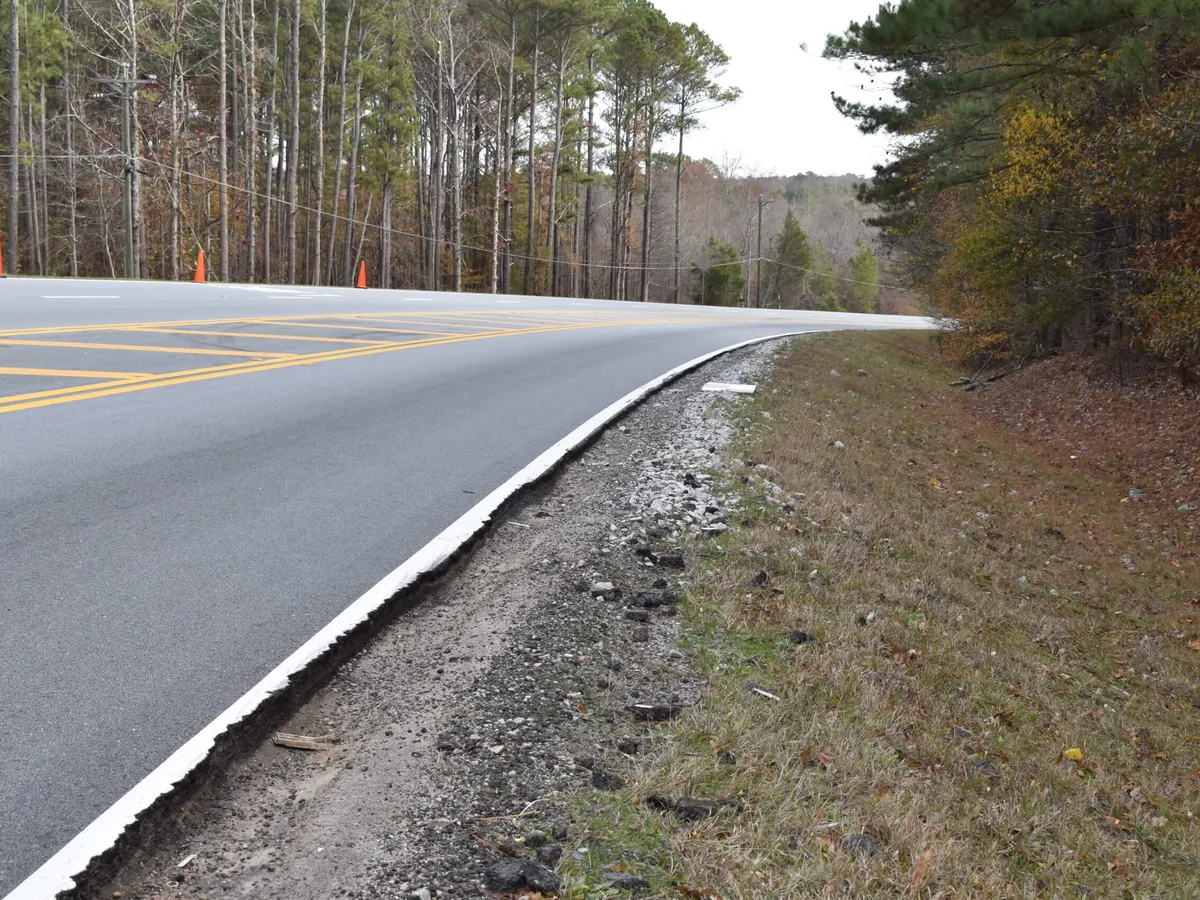
Edges without a curb are a weak spot. The magazine says a pavement edge should be supported by an aggregate or soil wedge. Once rain washes that shoulder away, the edge drops off and crumbles under tires. We rebuild broken and raveling edges, then build the shoulder back up so the edge has support.
Timely crack filling and sealing can extend pavement life, the crack manual says. Cracks breaking apart along their sides need repair, and a road cracked all over needs a whole-surface treatment. When repairs stop paying and the base still holds, the money goes further on an asphalt overlay. Where the base has failed, that stretch gets rebuilt.
Site visits and written quotes across south Alabama, about 100 miles around Grove Hill, from the Black Belt to the Gulf Coast.
(251) 589-9970From the first call to the day you can drive on it, here is how it goes.
Tell us what the driveway, lot or road is doing and where it is.
We measure the area, check how water moves across it and look at what is under the surface.
It lists the square footage, the base work, the asphalt thickness and the material.
The ground is shaped to drain, soft spots are rebuilt and the base rock is compacted.
Hot mix is laid and compacted, or sealer, paint or material goes down if that is the job. You get care instructions and a date for striping or sealing where it applies.
Common questions about road repair across south Alabama, about 100 miles around Grove Hill, from the Black Belt to the Gulf Coast. If yours is not here, call and ask.
We build and rebuild private roads, subdivision streets and shared driveways in hot mix asphalt. The road gets graded, crowned and based first, so water leaves it instead of sitting in ruts.
Learn More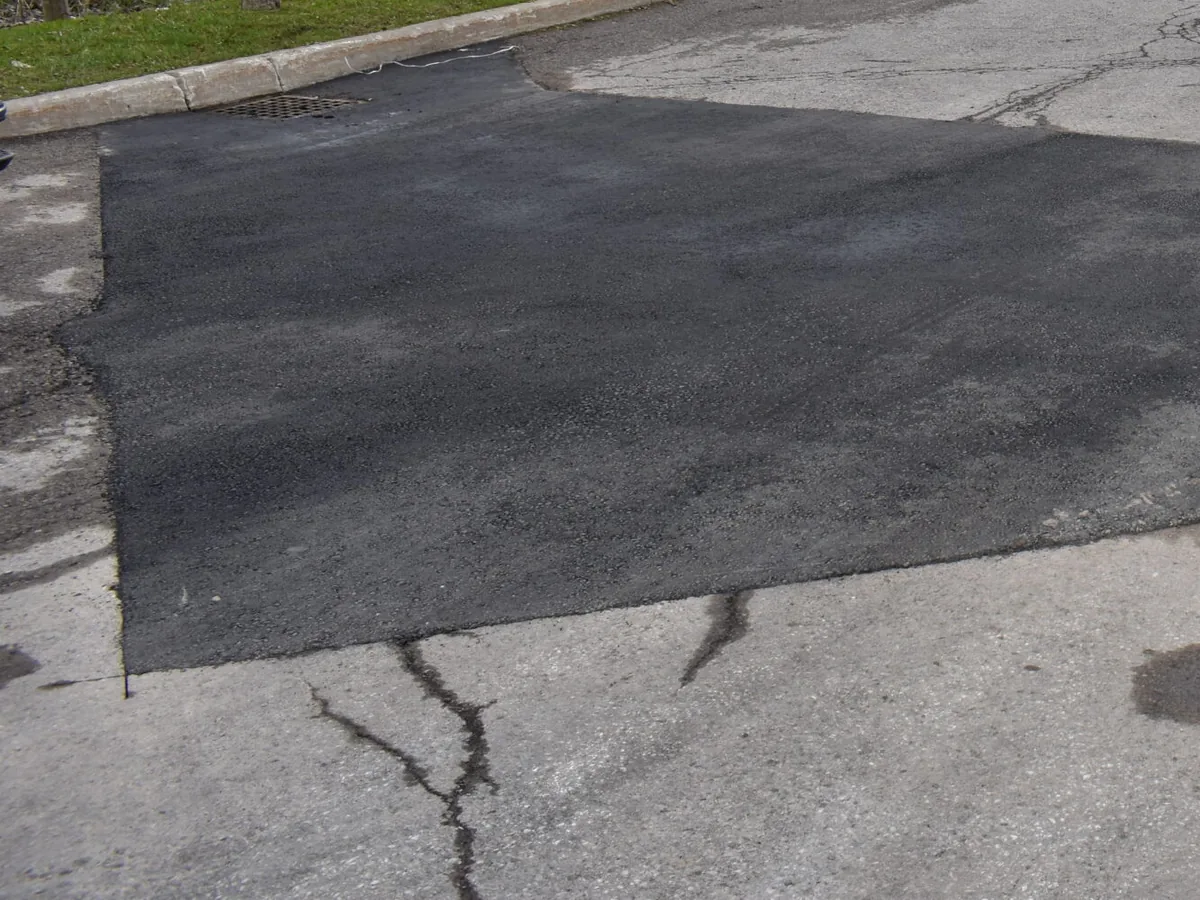
We patch potholes and failed areas on driveways, parking lots and private roads. Hot-pour crack filling keeps water out of the base before it opens a hole.
Learn More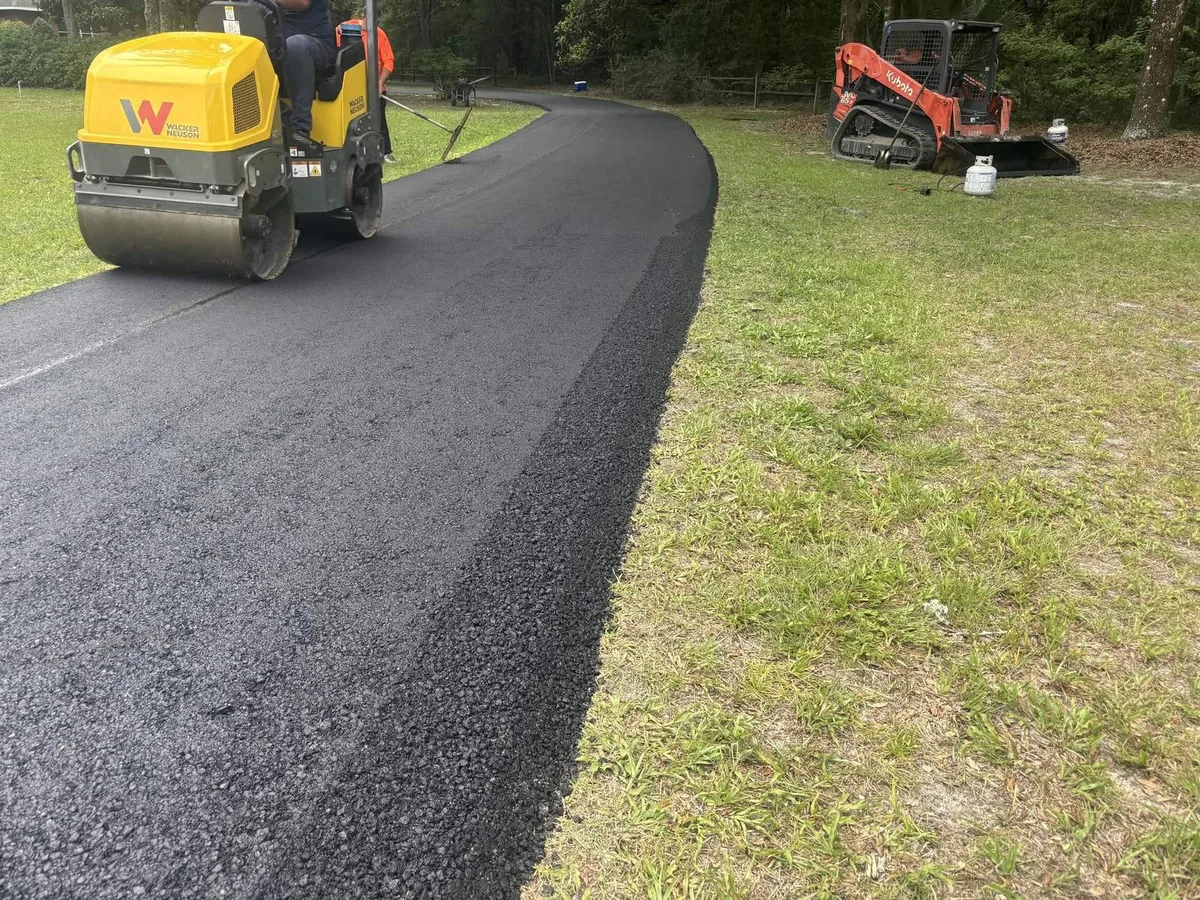
Asphalt resurfacing lays a new layer of hot mix over pavement that is still sound underneath. We level the low spots and rebuild the failed areas before the new layer goes on.
Learn MoreThe site is graded to drain, the base is compacted, and the hot mix is rolled while hot.
The company that paves your driveway or lot also patches it, fills the cracks, seals it and stripes it.
Fill dirt, topsoil, crush and run, stone and millings delivered, then spread or graded for the job at hand.
We work from the timber country down to Mobile, Baldwin County and the Gulf Coast.
Real reviews from real paving jobs, 4 reviews on Google.
Great service and great results.
Very good service. Had the church parking lot cracks sealed, recoated and new stripping added. Every one was very professional and job was completed in a timely fashion. We would recommend 3M paving.
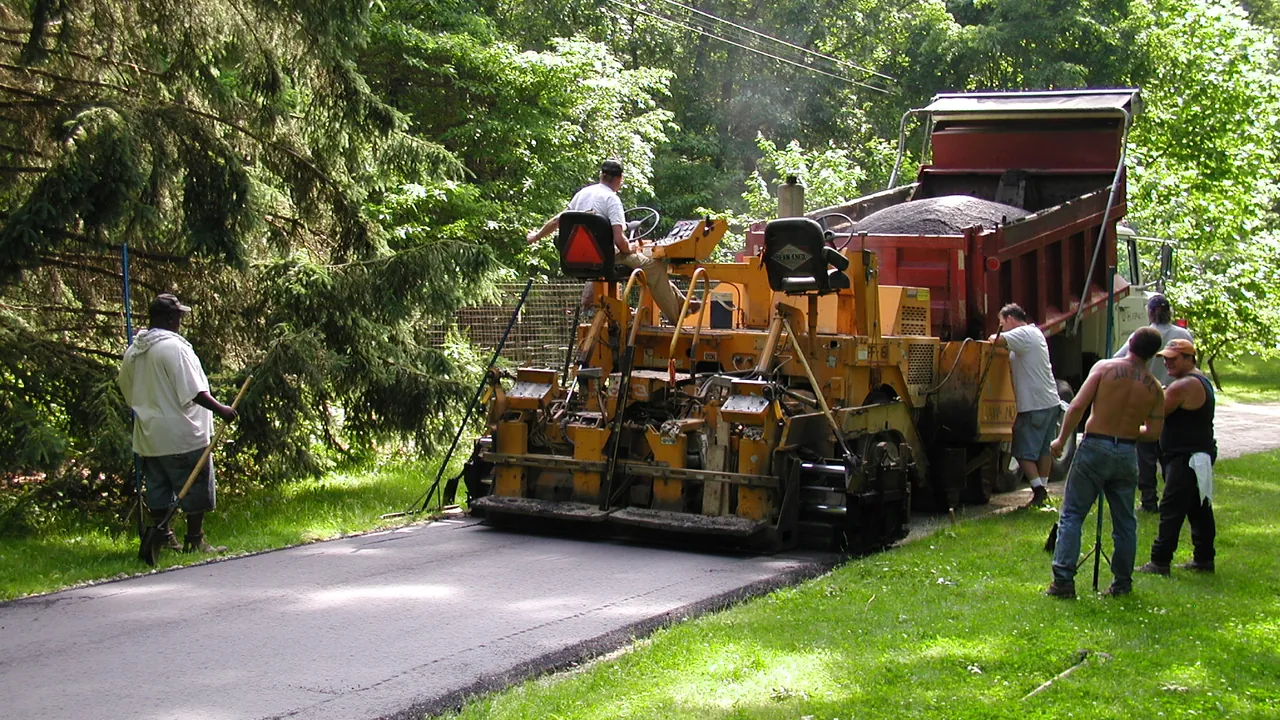
Cost to pave a road in Alabama: market prices per square foot, linear foot and mile for private roads and subdivision streets, plus 2026 ALDOT bids.
Read more →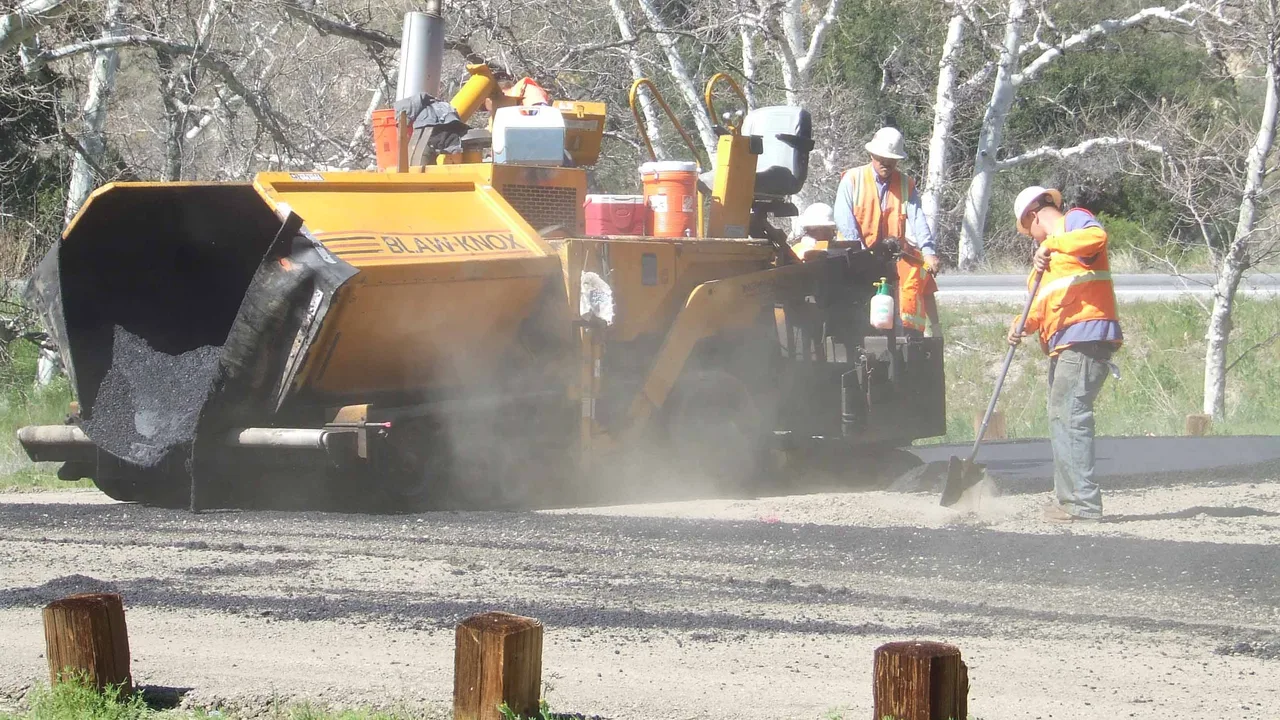
Asphalt resurfacing cost in Alabama: market overlay and milling prices for driveways, lots and private roads, 2026 ALDOT bids and what moves the price.
Read more →Tell us about the driveway, lot or road, and where it is. Call or text (251) 589-9970 or send the form, and we will set a time to come look at it.
Tell us about the driveway, lot or road. We come out, look at the job and give you a written quote.