Asphalt Repair
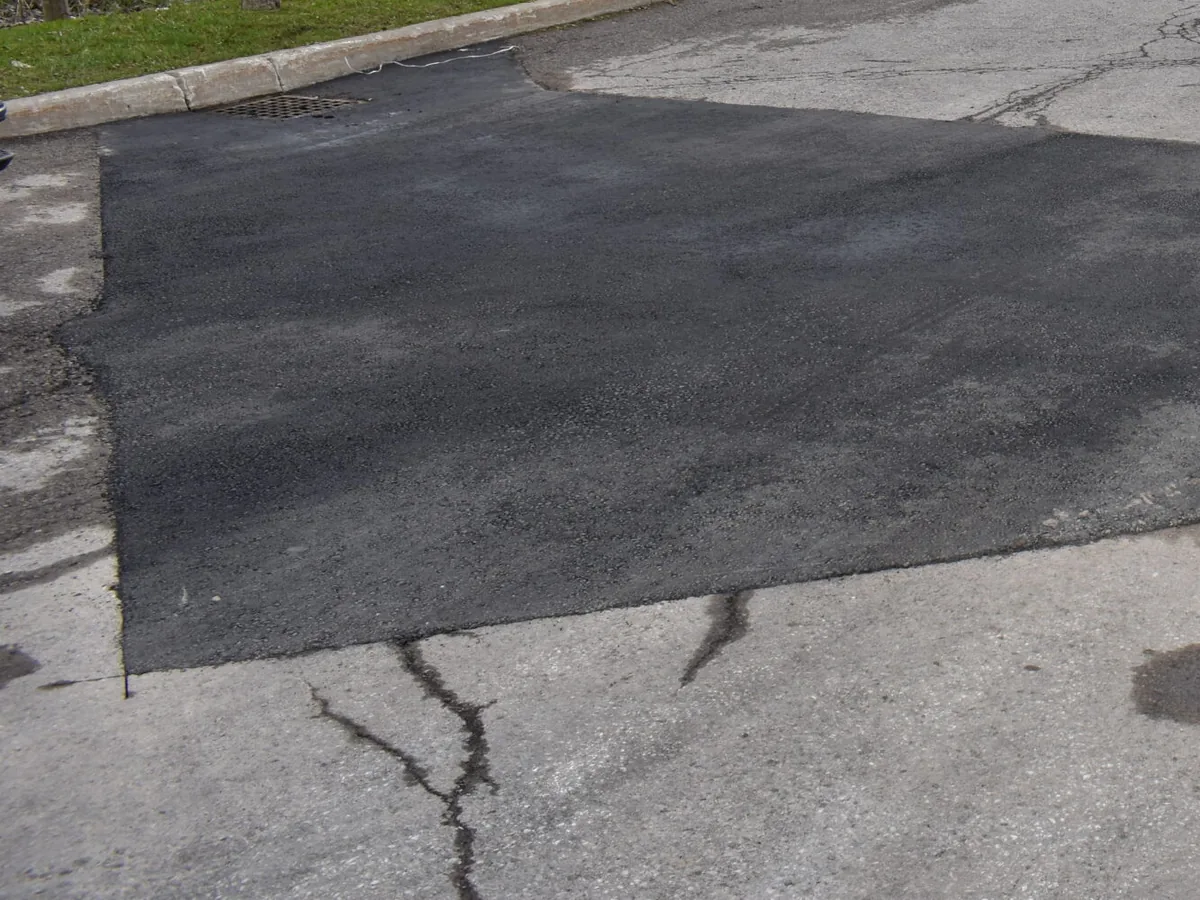
We patch potholes and failed areas on driveways, parking lots and private roads. Hot-pour crack filling keeps water out of the base before it opens a hole.
Learn More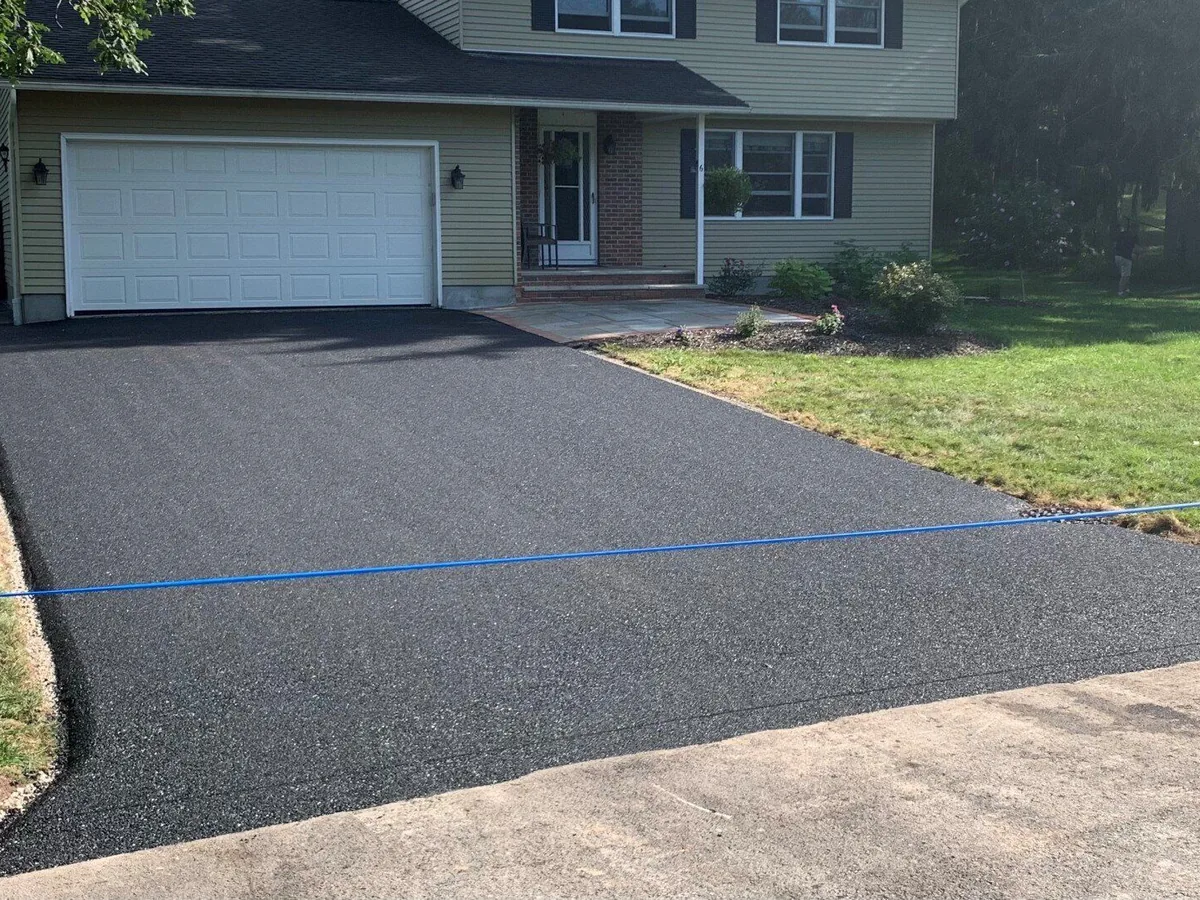
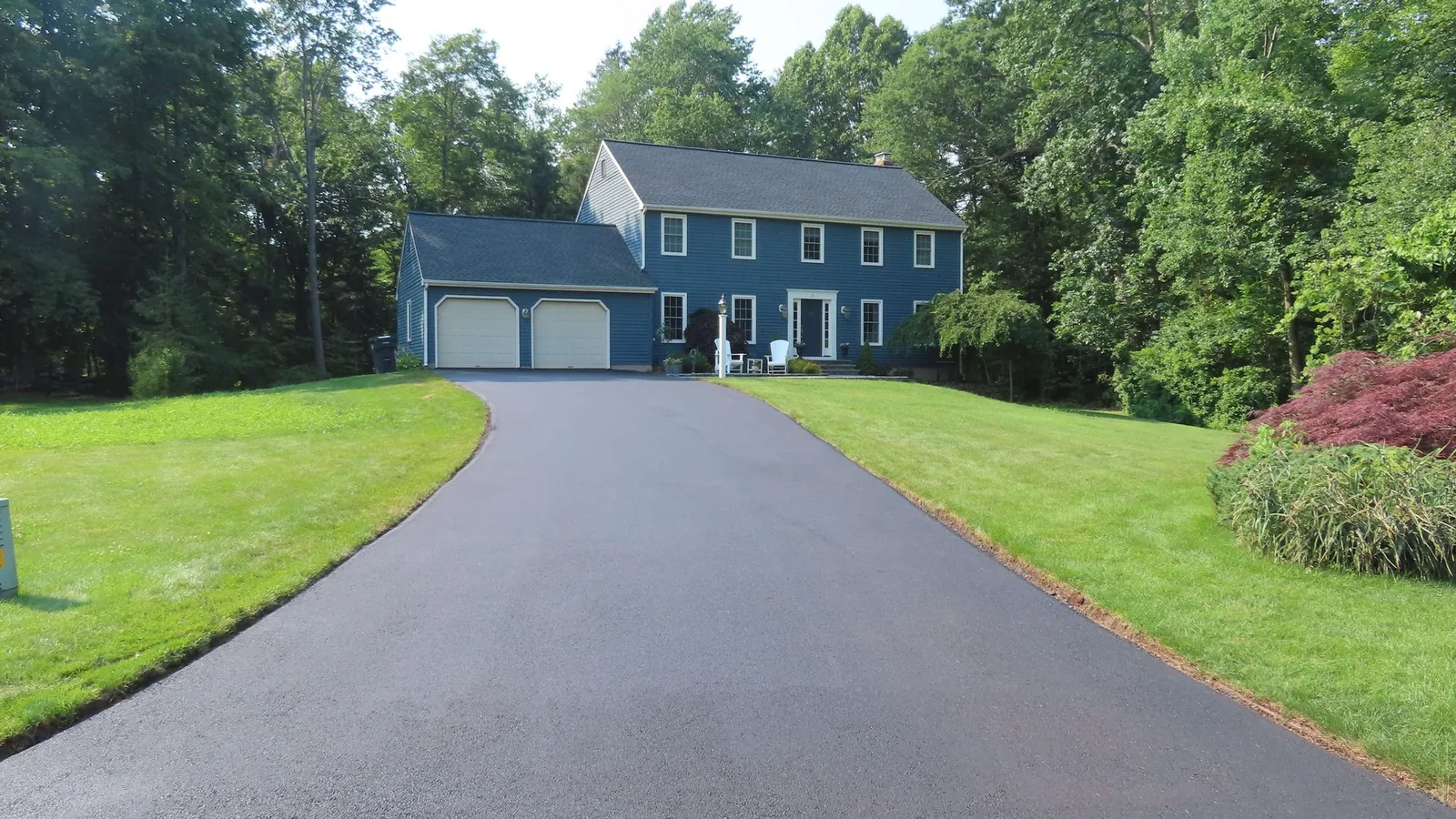
Asphalt resurfacing puts a fresh layer of hot mix asphalt over the pavement you already have. In the trade it is called an overlay, and some people call it repaving a driveway. It suits a driveway or a lot that has worn thin, faded and picked up shallow cracks. The base under it still has to be solid. When it is, you keep the base you paid for and buy a new surface on top.
An overlay is not a fix for a driveway that is coming apart. Where the base has failed, the new layer breaks up the same way the old one did. We come out, look at the pavement and measure it. The quote then says whether an overlay fits, or whether the failed areas need asphalt repair and patching first. Pavement that is past both gets the old surface taken out and new asphalt paving put down.
Tell us about the driveway, lot or road. We come out, look at the job and give you a written quote.
Resurfacing works when the trouble is on the surface. Worn and faded asphalt, raveling, shallow cracks and a rough ride all sit in the top layer. The Federal Highway Administration uses the same test on highway overlays. The pavement has to be in good to fair condition. The structure has to carry the traffic, and water cannot stand on it.
It does not work where the problem runs deeper. Alligator cracking is fatigue in the pavement. Federal guidance says a thin overlay will not address that kind of structural failure. Wide, moving cracks come back up through a new layer, which the trade calls reflective cracking. A soft spot that flexes under a loaded truck does the same thing.
Long rural driveways in the Clarke County timber country often fail in patches rather than all over. A drive can be sound for most of its length and broken where the log trucks turn. On jobs like that we rebuild the bad sections first, then run the overlay across the whole drive.
The old surface gets cleaned first. Dirt, sand and loose material come off, cracks are cleaned and filled, and oil spots get treated. Anything that has failed is cut out and the base under it rebuilt. Skipping that part is what makes an overlay fail early.
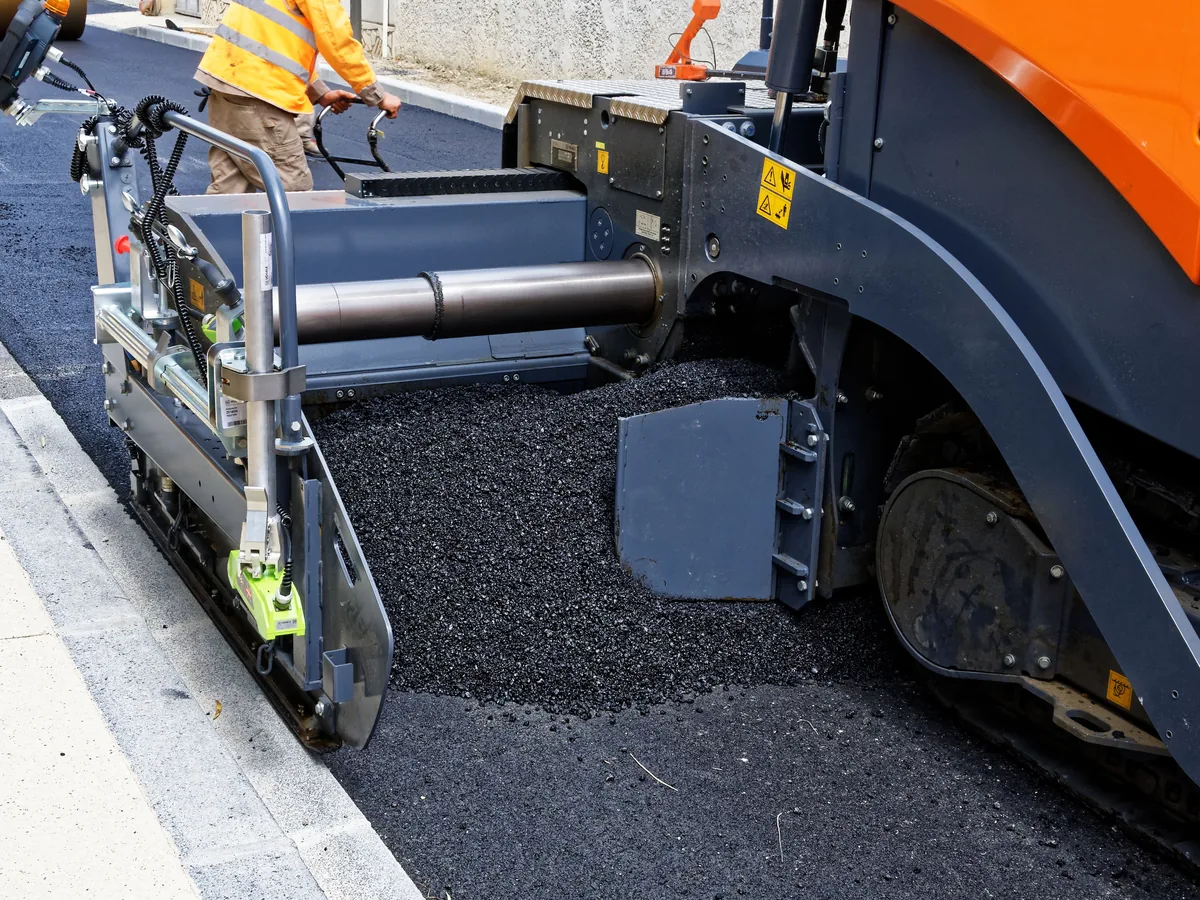
Low spots and ruts take a leveling layer before the surface layer. Then a tack coat goes down so the new asphalt bonds to the old. The paver lays the hot mix and the rollers roll it while it is hot. A hot south Alabama afternoon helps, because the mix stays workable longer.
An overlay adds height, so the edges matter. At a garage the new asphalt ties in flush to the concrete apron. Walks, curbs and the road edge get the same treatment. Where another layer would sit too high, that strip gets cut out instead of covered. Water has to keep running off the way it did before.
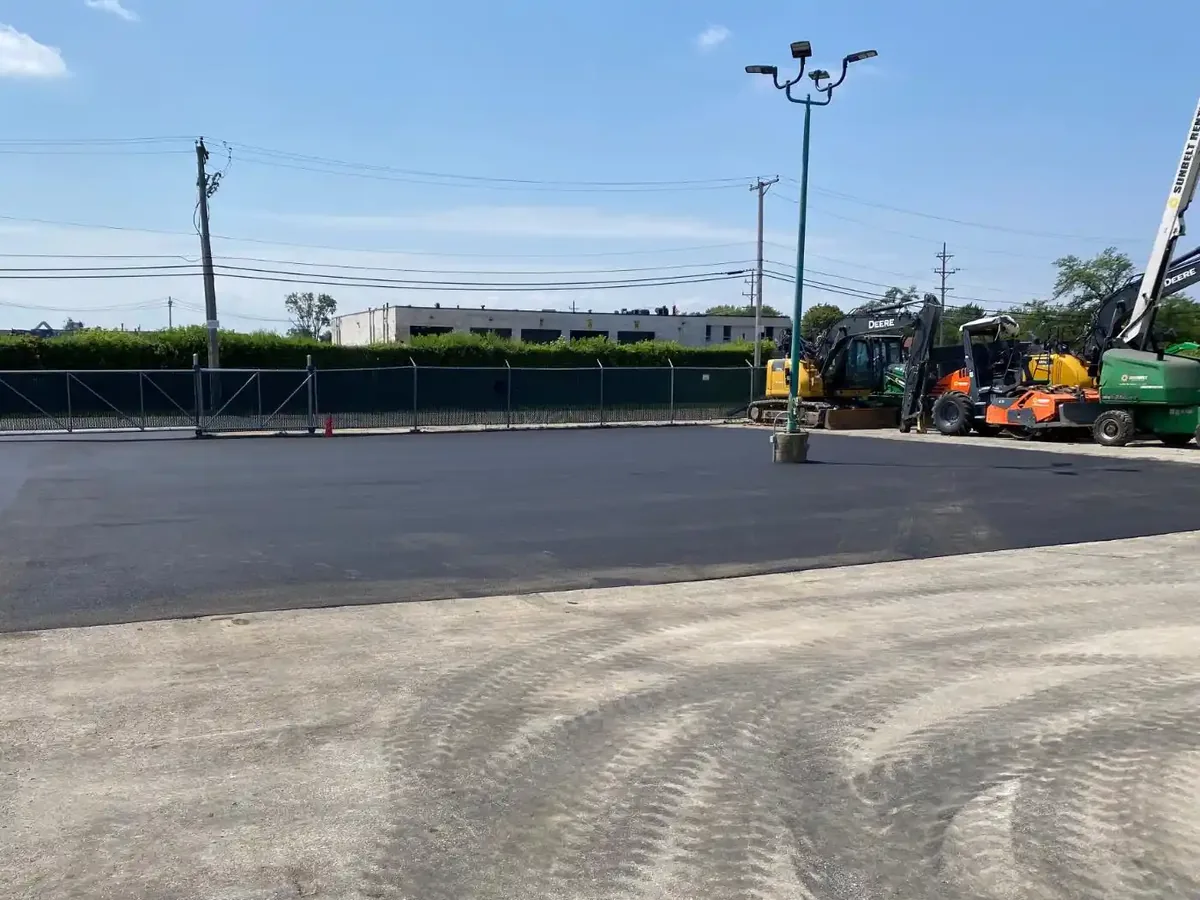
Businesses, churches and schools resurface a lot for the same reasons a homeowner resurfaces a drive. The surface is worn, the cracks are spreading and the lines are gone. Resurfacing costs less than tearing the lot out, as long as the ground under it is still holding.
We plan the work in phases with you. A church lot can be done between Sundays. A store lot can be split so part of it stays open. From our Grove Hill yard we work the Clarke County towns. The second yard in Robertsdale puts Baldwin County and Mobile lots a short drive away.
Water is the thing to settle before the overlay. Flat coastal ground and heavy south Alabama rain leave lots where water stands after a storm. Federal guidance counts proper drainage as one of the tests for an overlay. Without it the new layer fails the same way. Those lots get grading and drainage work first, then the overlay, then parking lot striping once the asphalt has cooled.
Site visits and written quotes across south Alabama, about 100 miles around Grove Hill, from the Black Belt to the Gulf Coast.
(251) 589-9970From the first call to the day you can drive on it, here is how it goes.
Tell us what the driveway, lot or road is doing and where it is.
We measure the area, check how water moves across it and look at what is under the surface.
It lists the square footage, the base work, the asphalt thickness and the material.
The ground is shaped to drain, soft spots are rebuilt and the base rock is compacted.
Hot mix is laid and compacted, or sealer, paint or material goes down if that is the job. You get care instructions and a date for striping or sealing where it applies.
Common questions about resurfacing and overlays across south Alabama, about 100 miles around Grove Hill, from the Black Belt to the Gulf Coast. If yours is not here, call and ask.
We patch potholes and failed areas on driveways, parking lots and private roads. Hot-pour crack filling keeps water out of the base before it opens a hole.
Learn More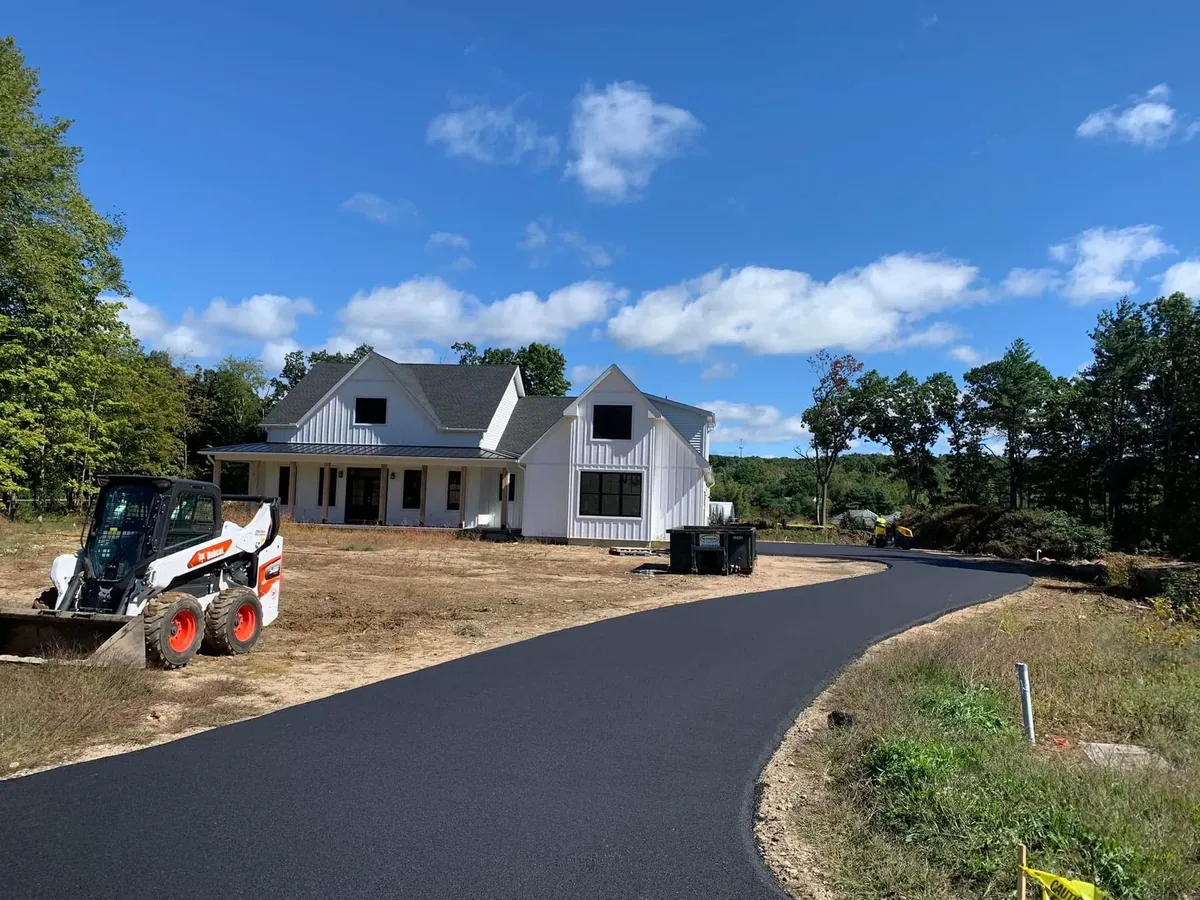
New asphalt driveways, gravel drives paved over and worn out drives replaced. We grade for drainage, build the base, then lay hot mix asphalt and roll it hot.
Learn More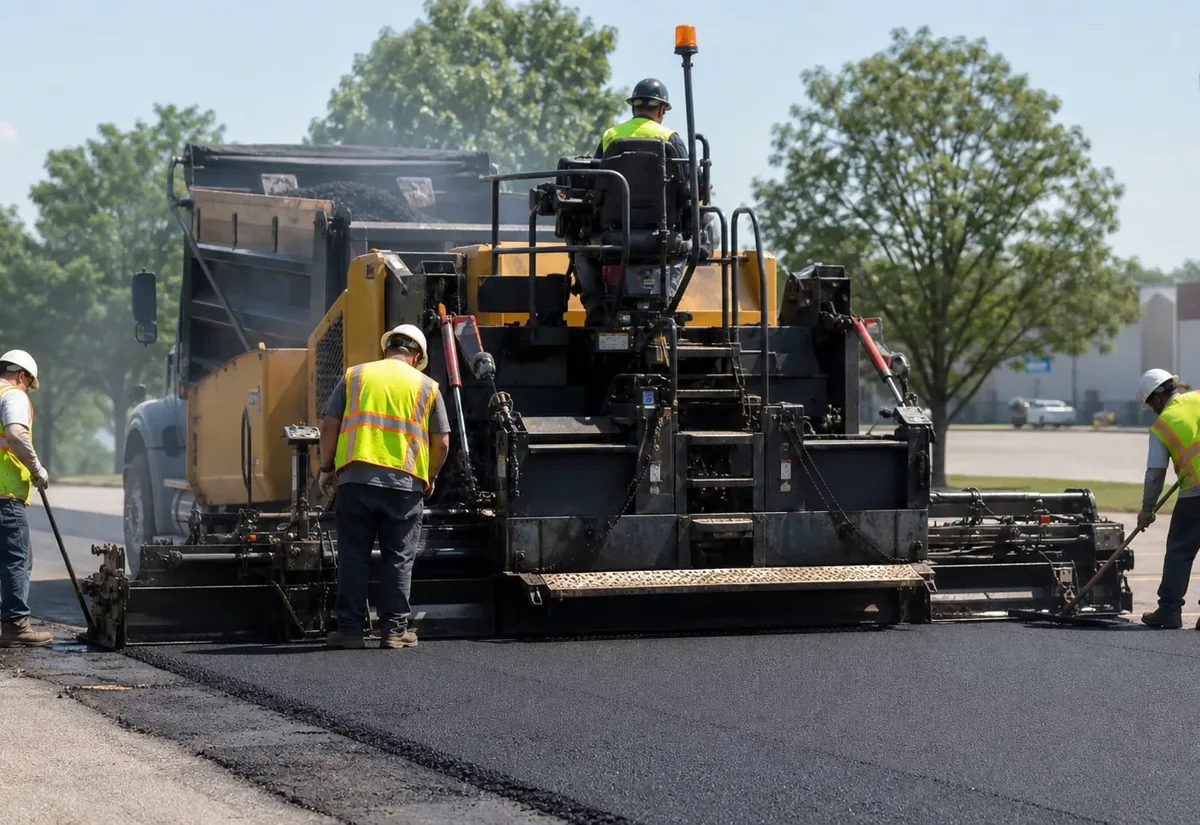
New parking lots, replacements and resurfacing for businesses, churches, schools and clinics. Graded to drain, based and compacted, then paved in hot mix asphalt.
Learn MoreThe site is graded to drain, the base is compacted, and the hot mix is rolled while hot.
The company that paves your driveway or lot also patches it, fills the cracks, seals it and stripes it.
Fill dirt, topsoil, crush and run, stone and millings delivered, then spread or graded for the job at hand.
We work from the timber country down to Mobile, Baldwin County and the Gulf Coast.
Tell us about the driveway, lot or road, and where it is. Call or text (251) 589-9970 or send the form, and we will set a time to come look at it.
Tell us about the driveway, lot or road. We come out, look at the job and give you a written quote.