Parking Lot Striping
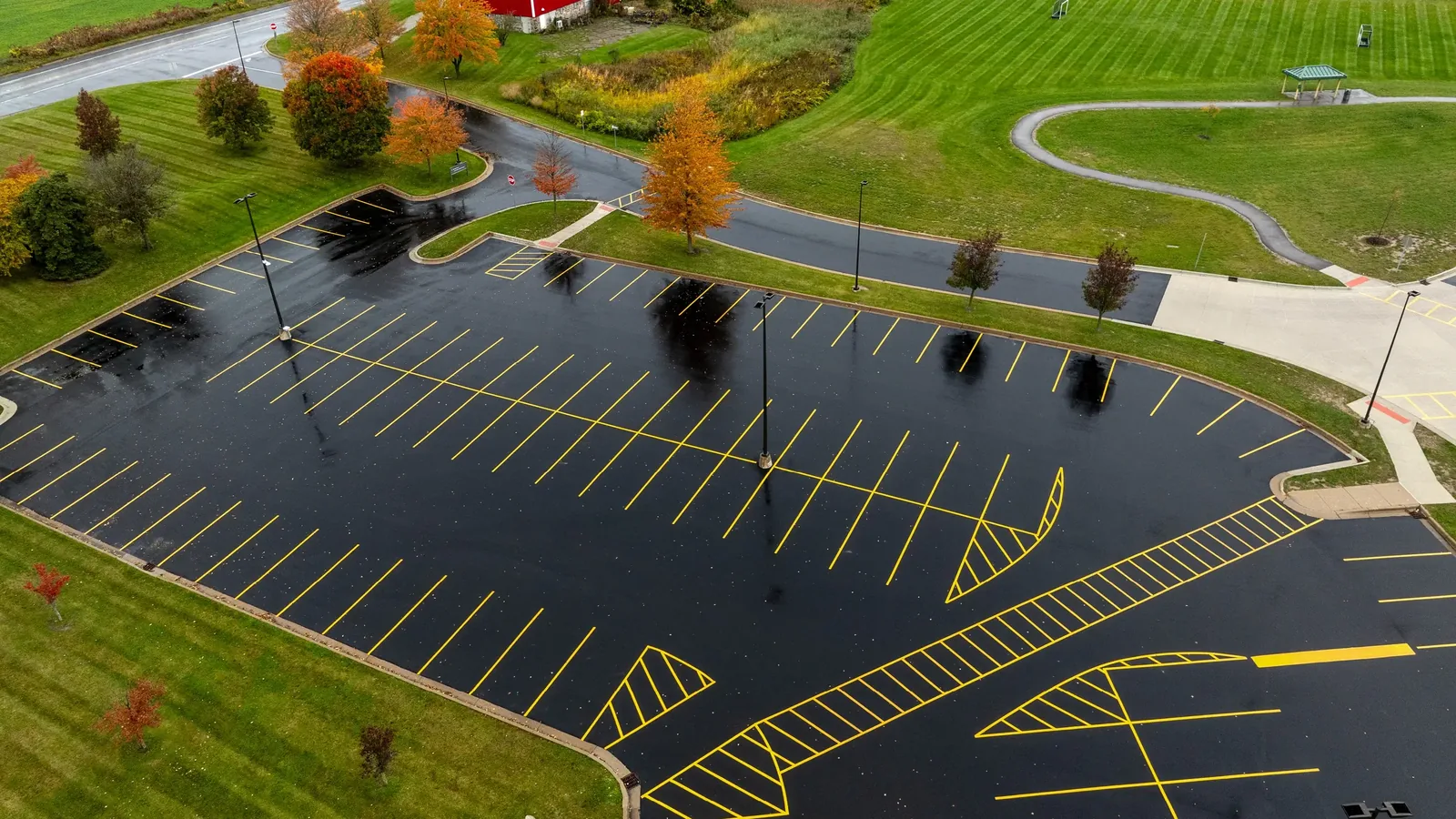
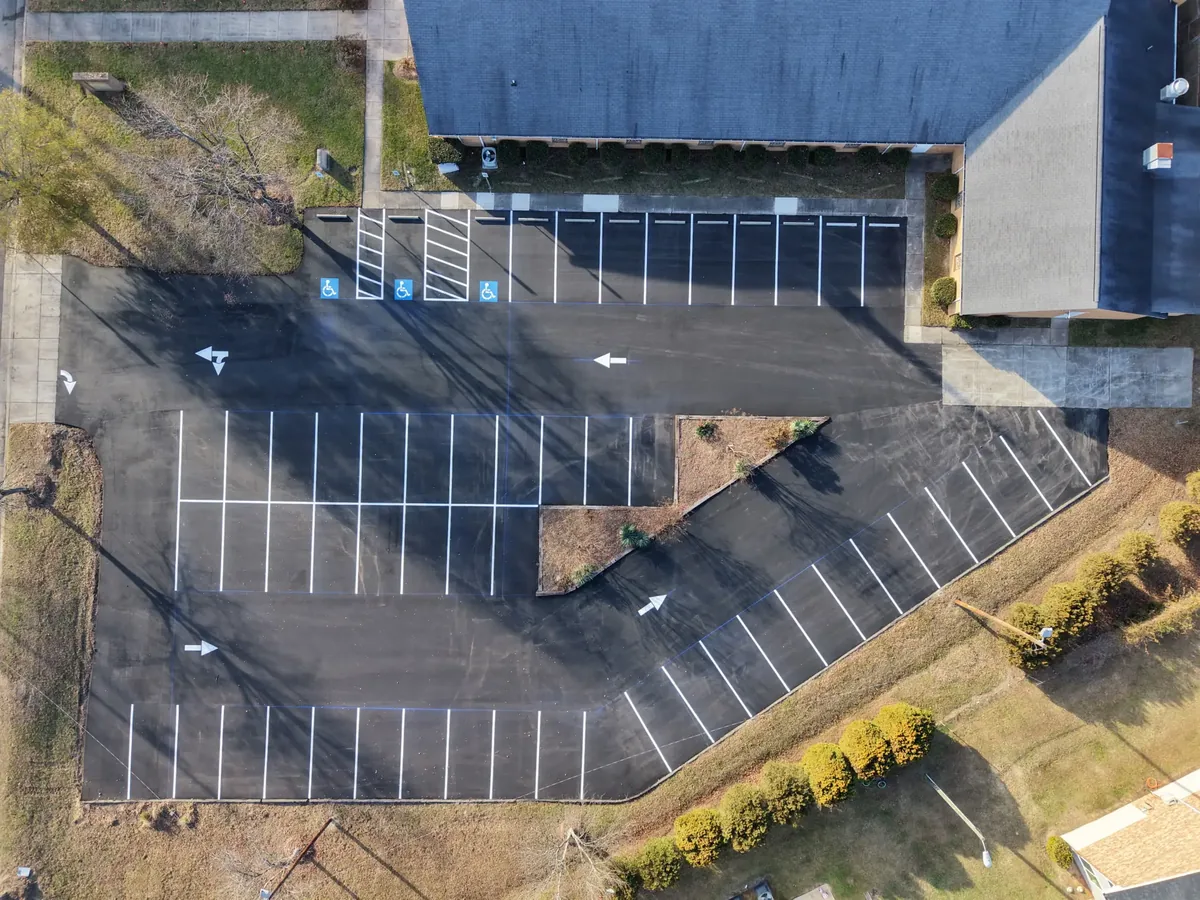
We stripe new parking lots and restripe faded ones for businesses, churches, schools and apartments. Stalls, arrows, fire lanes and accessible spaces go down in traffic paint on a clean surface.
Learn More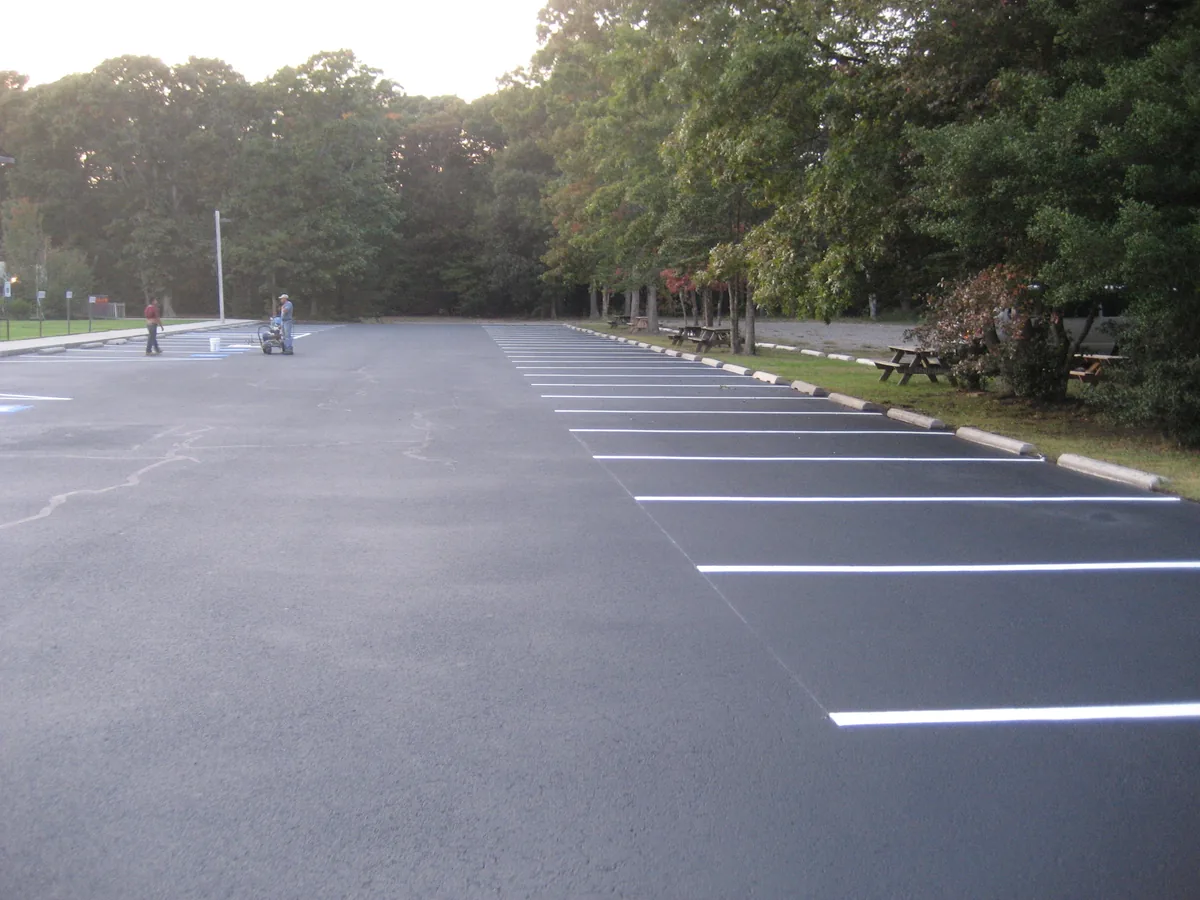
Parking lot paving starts long before the asphalt shows up. We grade the site so the water runs off, then put the base down and compact it. Hot mix asphalt goes on in layers and the rollers follow it while it is hot. We build new lots and replace worn out ones. We also add parking for businesses, churches, schools, restaurants, shops, offices and apartments. Once the surface has cooled and set, parking lot striping lays out the stalls.
We work from our yard on US-43 in Grove Hill and from our second yard in Robertsdale. That covers about 100 miles around Grove Hill, from the timber country down to Mobile and the Gulf Coast. Commercial asphalt paving also covers the lot you already have, with patching and crack filling where it is failing. We come out, look at the lot, measure it and give you a written quote.
Tell us about the driveway, lot or road. We come out, look at the job and give you a written quote.
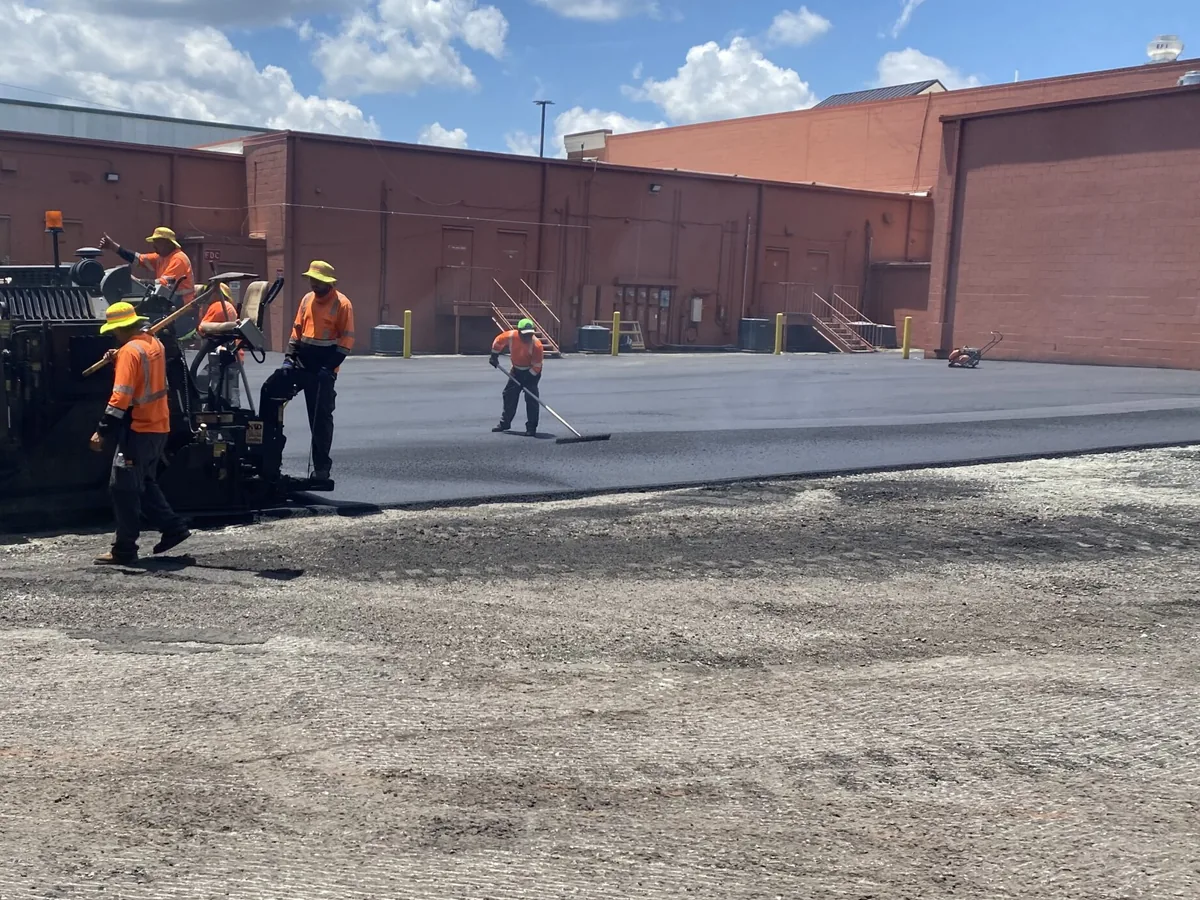
We lay the lot out first, then grade the ground so water runs to one place. Soft spots get dug out and rebuilt before any rock goes down. The base is spread and compacted to a set depth. Then the hot mix goes on top and the rollers work it while it is hot.
Different parts of a lot carry different loads. The Alabama Asphalt Pavement Association design guide rates a lot over 50 stalls a heavier traffic class. Truck stalls, bus driveways and loading zones sit a class above that. So the lanes where the garbage truck and the delivery truck turn get a thicker section than the car stalls.
The Asphalt Institute shows a light duty lot at 3 inches of asphalt over 6 inches of base. A heavy duty lot goes to 6 inches of asphalt over 3 inches of base. Your quote spells out the thickness, the base work and the square footage for your lot. After rolling, the asphalt cools before the lot opens to traffic.
Water is what takes a lot apart. Clarke County gets about 60 inches of rain a year, and Mobile about 66. The ground here is sandy loam over clay, with heavy clay in the creek bottoms. Wet soil under a lot gets weak, and weak ground lets the asphalt flex and crack.
On the Baldwin County side the ground looks like fast draining sand. The common soils there drain slowly and sit over a high water table. The same Alabama design guide calls for a cross slope of at least 1.5 percent on parking lots. Slopes under 1 percent are hard to build without flat spots that hold water.
So the grade comes first. Curbs, gutters and drains carry water off the pavement and away from the base. Where there is no curb, a ditch or a swale beside the lot does the same job. If water already stands by your shop door, the fix is the grade, not the asphalt.
If the base is sound and the surface is worn, an asphalt overlay costs less than a rebuild. Cracks get sealed and low spots leveled first. Where the cracking looks like an alligator's back, the trouble is under the surface. Those areas come out and get rebuilt before anything new goes down.
A lot has to keep working while it is paved. We plan the work in phases with you, half at a time or section by section. Churches and schools often pave between Sundays or over a school break. Shops and restaurants pick their slow days.
Fresh asphalt gets striped once it has cooled and set. After that, a lot holds up on a maintenance schedule: crack filling first, then sealcoating. The Asphalt Institute says a well built lot should not need sealing for about 2 to 5 years. Filling cracks early keeps water out of the base.
Site visits and written quotes across south Alabama, about 100 miles around Grove Hill, from the Black Belt to the Gulf Coast.
(251) 589-9970From the first call to the day you can drive on it, here is how it goes.
Tell us what the driveway, lot or road is doing and where it is.
We measure the area, check how water moves across it and look at what is under the surface.
It lists the square footage, the base work, the asphalt thickness and the material.
The ground is shaped to drain, soft spots are rebuilt and the base rock is compacted.
Hot mix is laid and compacted, or sealer, paint or material goes down if that is the job. You get care instructions and a date for striping or sealing where it applies.
Common questions about parking lot paving across south Alabama, about 100 miles around Grove Hill, from the Black Belt to the Gulf Coast. If yours is not here, call and ask.
We stripe new parking lots and restripe faded ones for businesses, churches, schools and apartments. Stalls, arrows, fire lanes and accessible spaces go down in traffic paint on a clean surface.
Learn More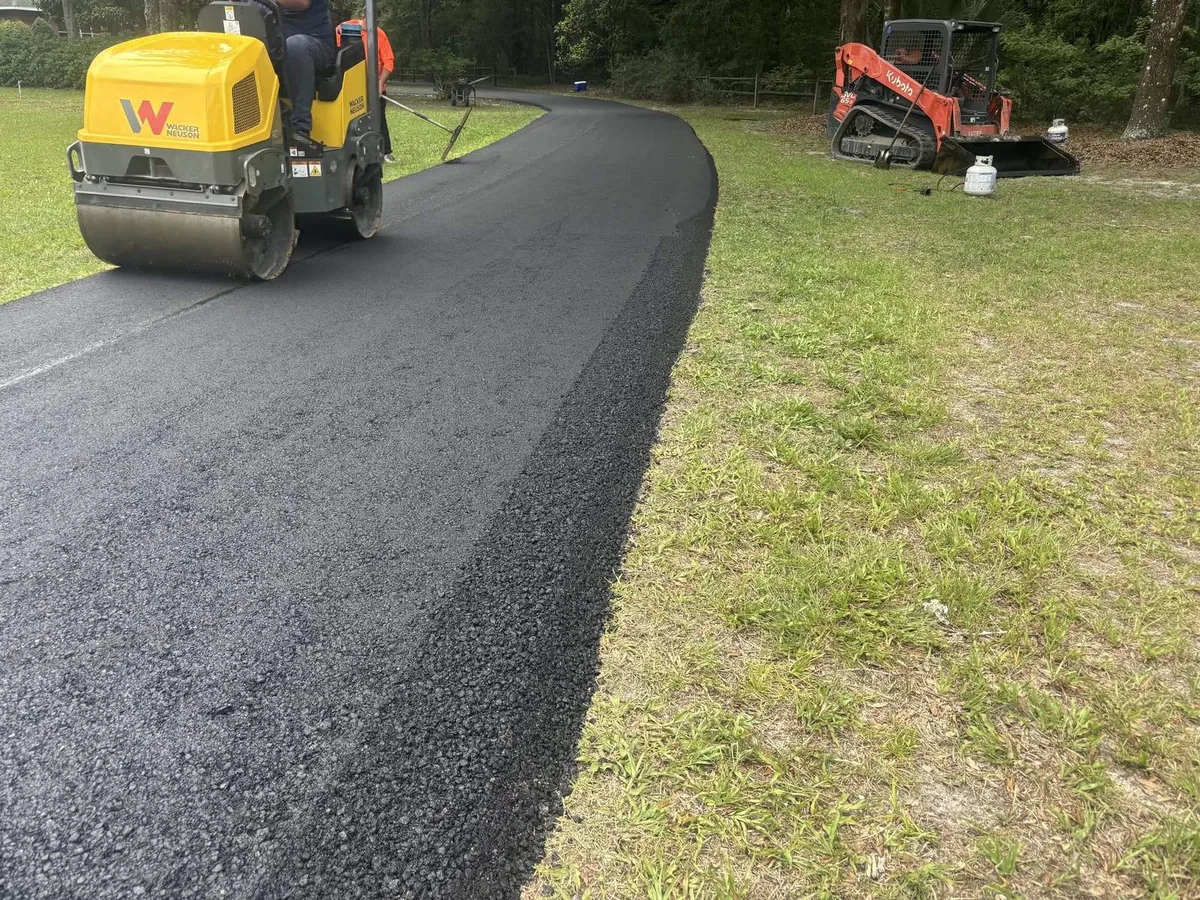
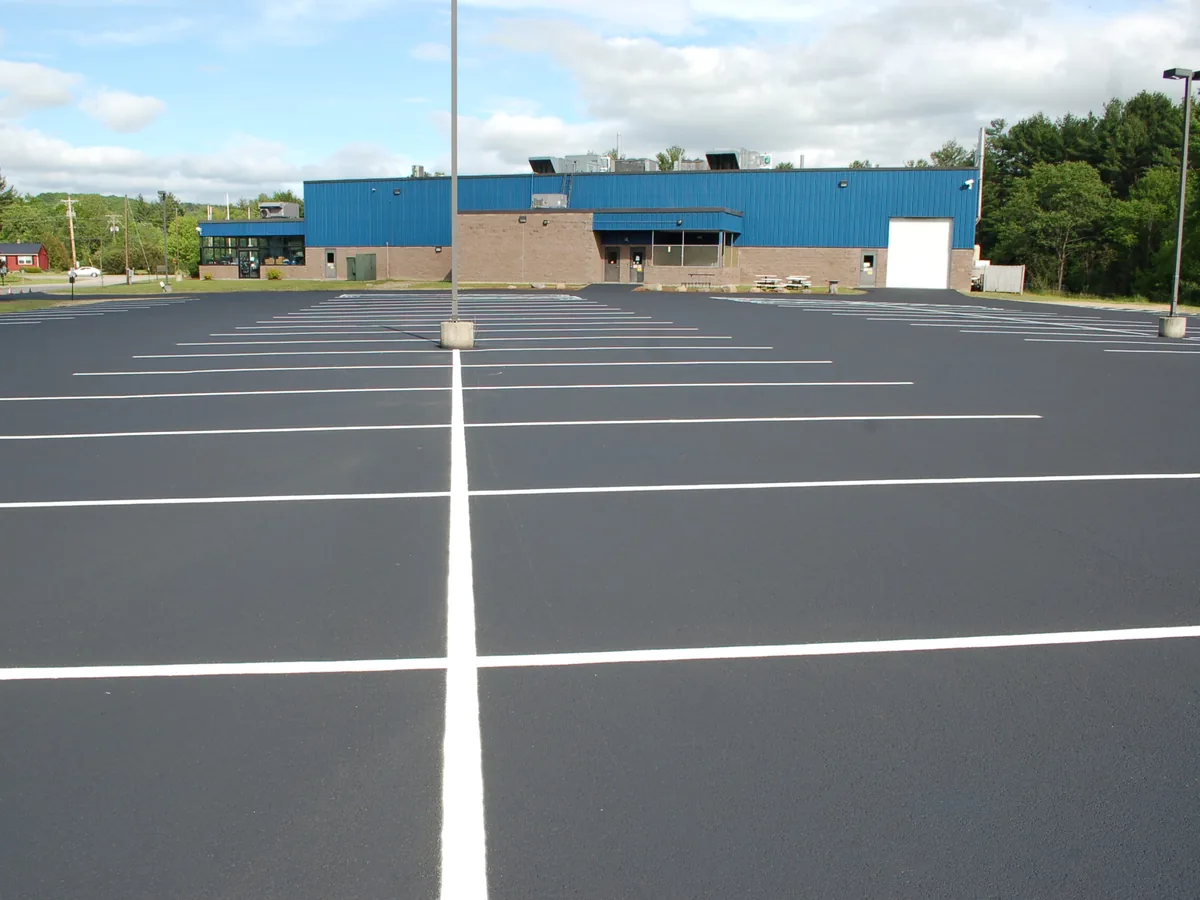
Asphalt resurfacing lays a new layer of hot mix over pavement that is still sound underneath. We level the low spots and rebuild the failed areas before the new layer goes on.
Learn More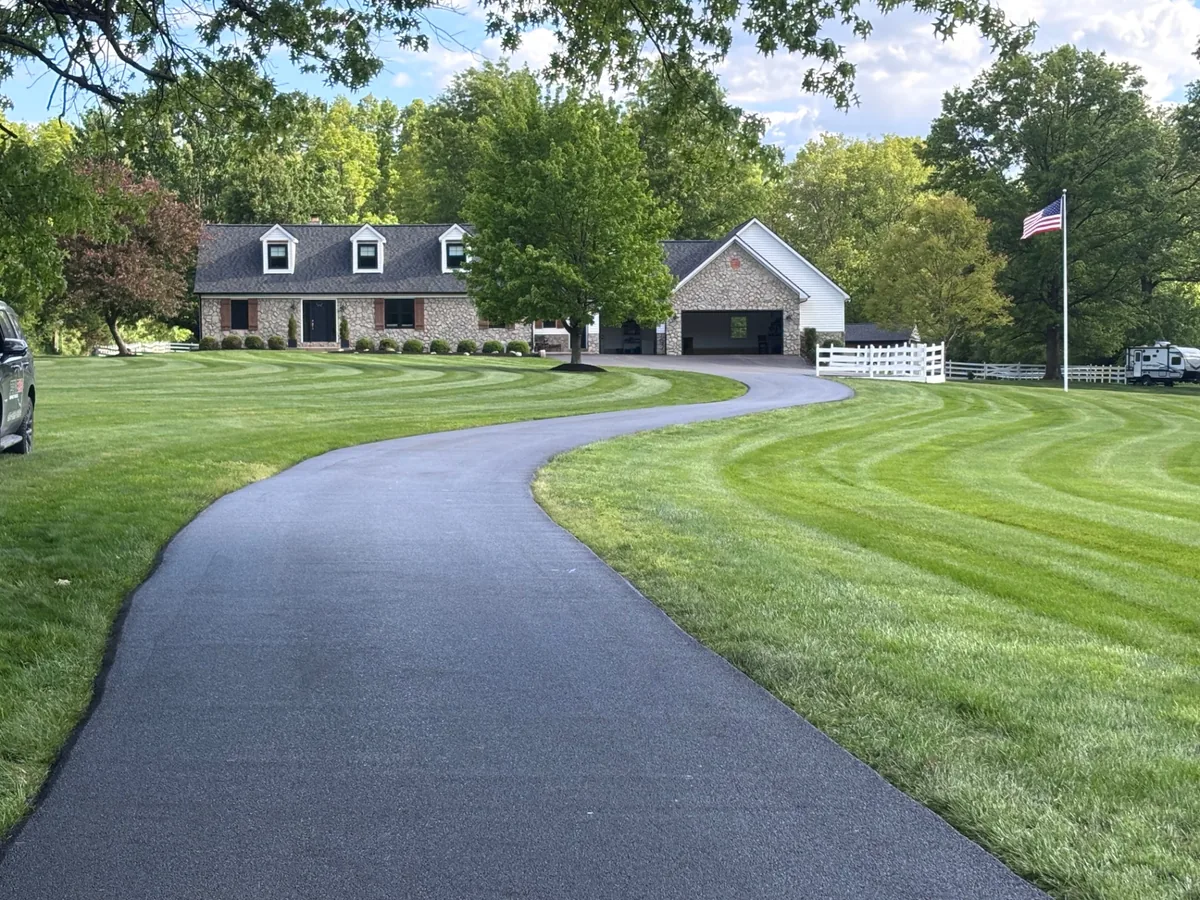
Sealcoating for asphalt driveways and parking lots across south Alabama. The pavement is cleaned, the cracks are filled, and the sealer goes on while the weather holds.
Learn MoreThe site is graded to drain, the base is compacted, and the hot mix is rolled while hot.
The company that paves your driveway or lot also patches it, fills the cracks, seals it and stripes it.
Fill dirt, topsoil, crush and run, stone and millings delivered, then spread or graded for the job at hand.
We work from the timber country down to Mobile, Baldwin County and the Gulf Coast.
Tell us about the driveway, lot or road, and where it is. Call or text (251) 589-9970 or send the form, and we will set a time to come look at it.
Tell us about the driveway, lot or road. We come out, look at the job and give you a written quote.