
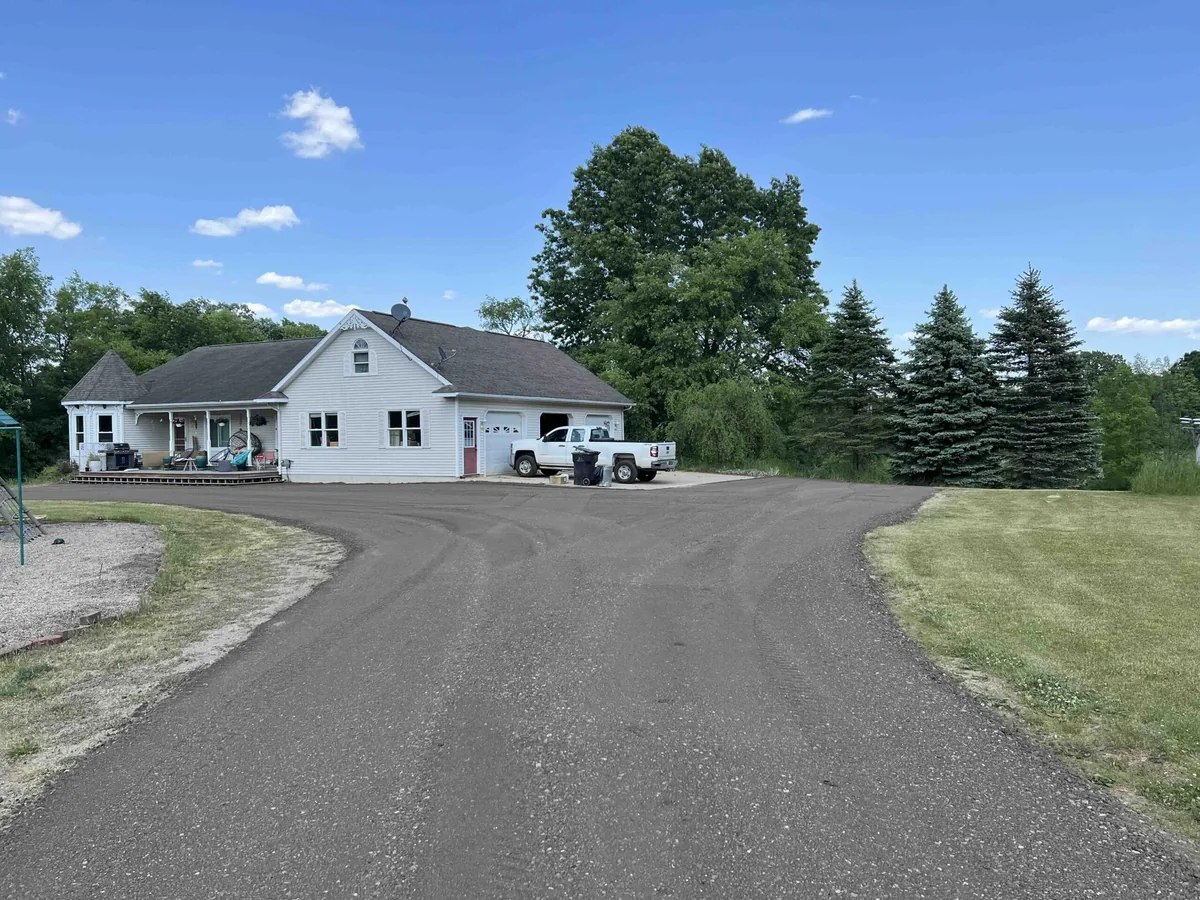
Asphalt Millings
Asphalt millings make a firm driving surface for driveways, lots, pads and farm roads. We deliver millings by the load, then spread, grade and roll them down tight.
Learn More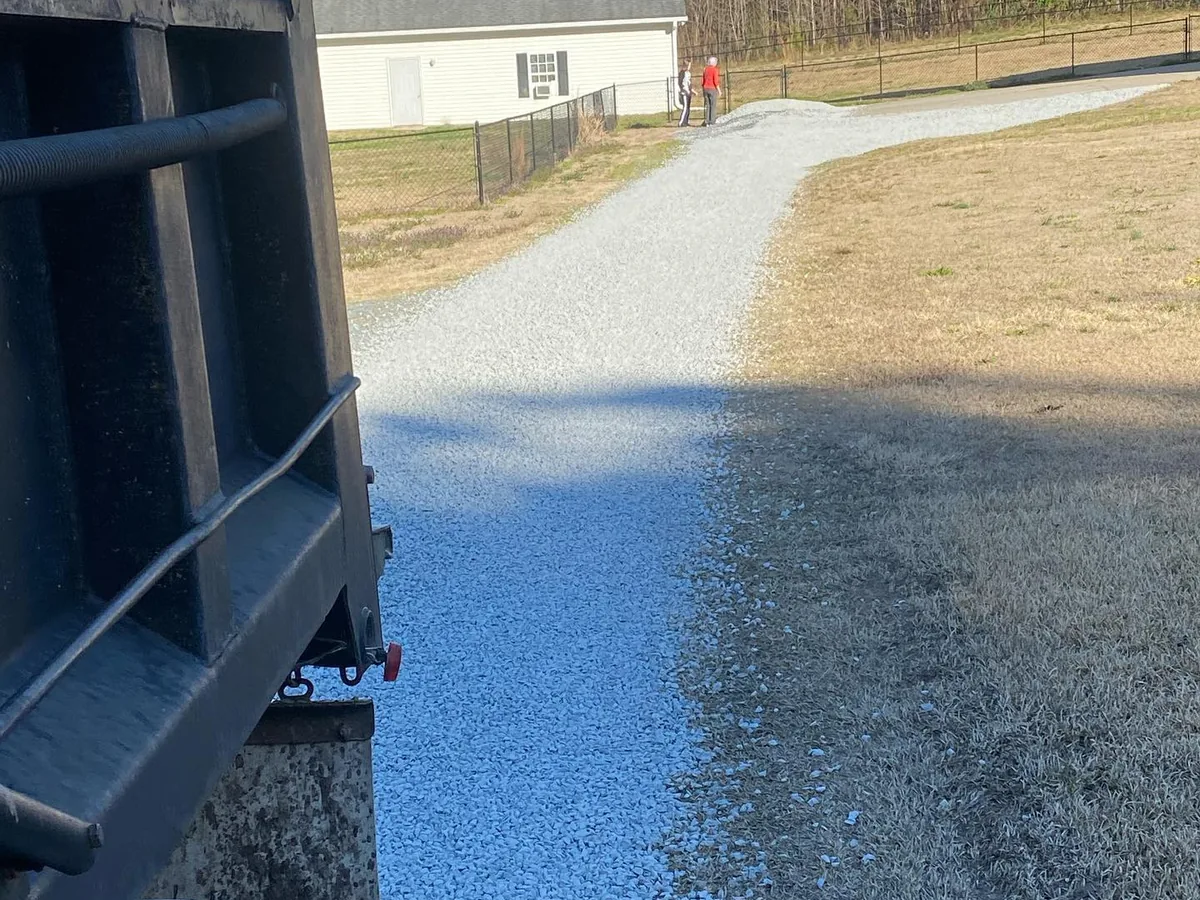
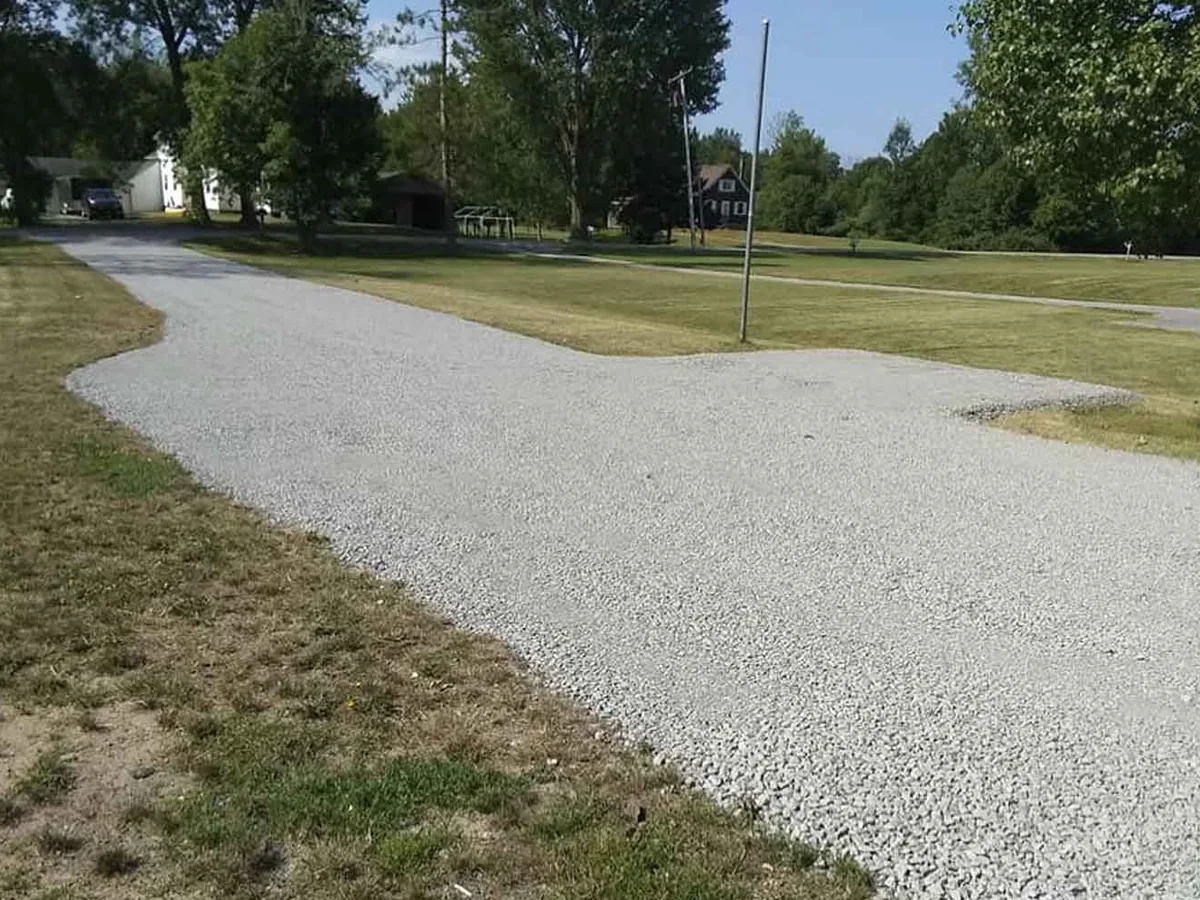
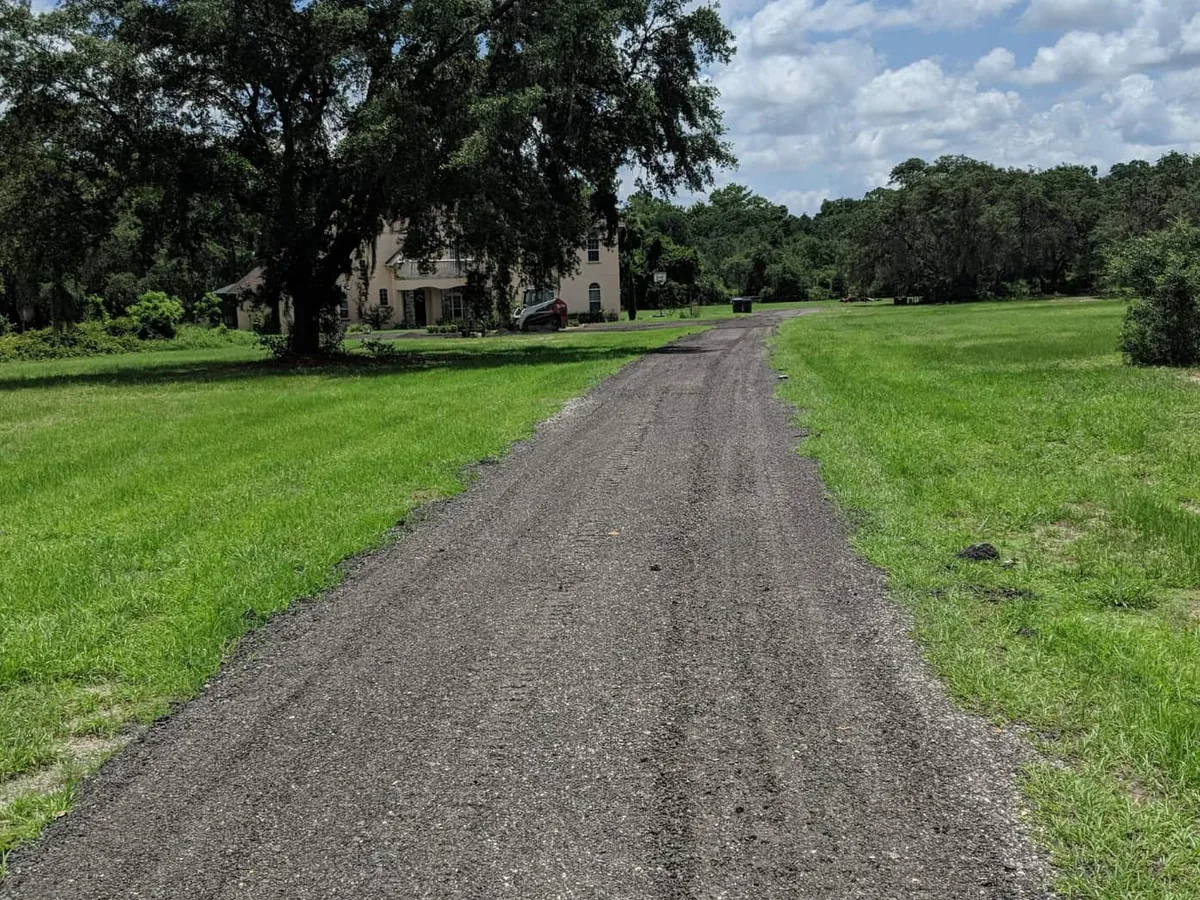
A gravel driveway works hard here, right up until the rock washes to the low side. After that it is ruts, potholes and mud every time it rains. We build and rebuild gravel and crush-and-run driveways, lots and access roads across south Alabama. The work starts with the shape of the ground under the rock.
We cut the drive to grade, crown it so water runs off, and pull ditches where they are needed. Then crush and run goes down and gets rolled until it locks up. We deliver crush and run, stone and gravel by the load from our yards in Grove Hill and Robertsdale. Fill dirt and topsoil come the same way when a low spot has to come up first.
Tell us about the driveway, lot or road. We come out, look at the job and give you a written quote.
Crush and run, also called crusher run, is crushed stone with the fines left in it. Alabama's spec for crushed aggregate base calls for 100 percent crushed stone, sized from about an inch down to dust. The stone carries the load, and sand-sized grains fill the gaps between stones. The fines bind it, so the surface forms a crust and sheds water.
Shape matters as much as size. Crushed rock has angular faces that lock together, so it packs into a tight mass. Round gravel does the opposite. The USDA surfacing design guide calls round and pea gravel poor choices for roads and pads, because the stones roll.
Clean stone with the fines screened out, like number 57 stone, drains well but stays loose under tires. People here also ask for chert. The state spec defines chert as a flint or silica formation with clay binder in it. For a firmer surface than loose rock, look at asphalt millings.
Rock alone will not fix a wet drive. Water has to leave the surface, and crown is what moves it. The federal gravel roads maintenance guide puts the target near half an inch of crown per foot. That is about a 4 percent cross slope.
Without crown, water stands in the wheel tracks, the drive ruts, and traffic pounds out potholes. Rain makes quick work of that here. The Jackson weather station, 12 miles from Grove Hill, records just over 60 inches a year. Sixty-three percent of Clarke County road miles are still dirt or gravel.
Where a drive crosses a ditch, a pipe has to carry the flow. On a state or US highway, ALDOT sets the minimum side drain pipe at 15 inches. On a county road the county engineer's office sets it, so ask before the work starts. We put in driveway culverts and drainage pipe as part of the grading.
A rutted or washboarded drive gets cut back to shape before new rock goes on it. The federal gravel roads guide is plain about it: a washboard area has to be cut out and reshaped first. Otherwise the pattern works back up through the new surface. Filling the holes with rock is money spent twice.
So we blade the drive back to a crown and remix what is still good. Then fresh crush and run goes on where the rock is thin. On soft or wet ground we roll fabric out first, common on the flat sand in Baldwin County. A geotextile lets water through but filters out the fine silt and clay that would pump up into the rock.
How deep the rock goes depends on the ground and the traffic. The USDA design guide puts light trucks near 6 inches of crushed rock over firm ground, and more where it is soft. Expect some loose stone on top, because no gravel surface behaves like pavement. When you are ready to stop hauling rock, that same base carries an asphalt driveway under hot mix asphalt.
Site visits and written quotes across south Alabama, about 100 miles around Grove Hill, from the Black Belt to the Gulf Coast.
(251) 589-9970From the first call to the day you can drive on it, here is how it goes.
Tell us what the driveway, lot or road is doing and where it is.
We measure the area, check how water moves across it and look at what is under the surface.
It lists the square footage, the base work, the asphalt thickness and the material.
The ground is shaped to drain, soft spots are rebuilt and the base rock is compacted.
Hot mix is laid and compacted, or sealer, paint or material goes down if that is the job. You get care instructions and a date for striping or sealing where it applies.
Common questions about gravel driveways across south Alabama, about 100 miles around Grove Hill, from the Black Belt to the Gulf Coast. If yours is not here, call and ask.
Asphalt millings make a firm driving surface for driveways, lots, pads and farm roads. We deliver millings by the load, then spread, grade and roll them down tight.
Learn More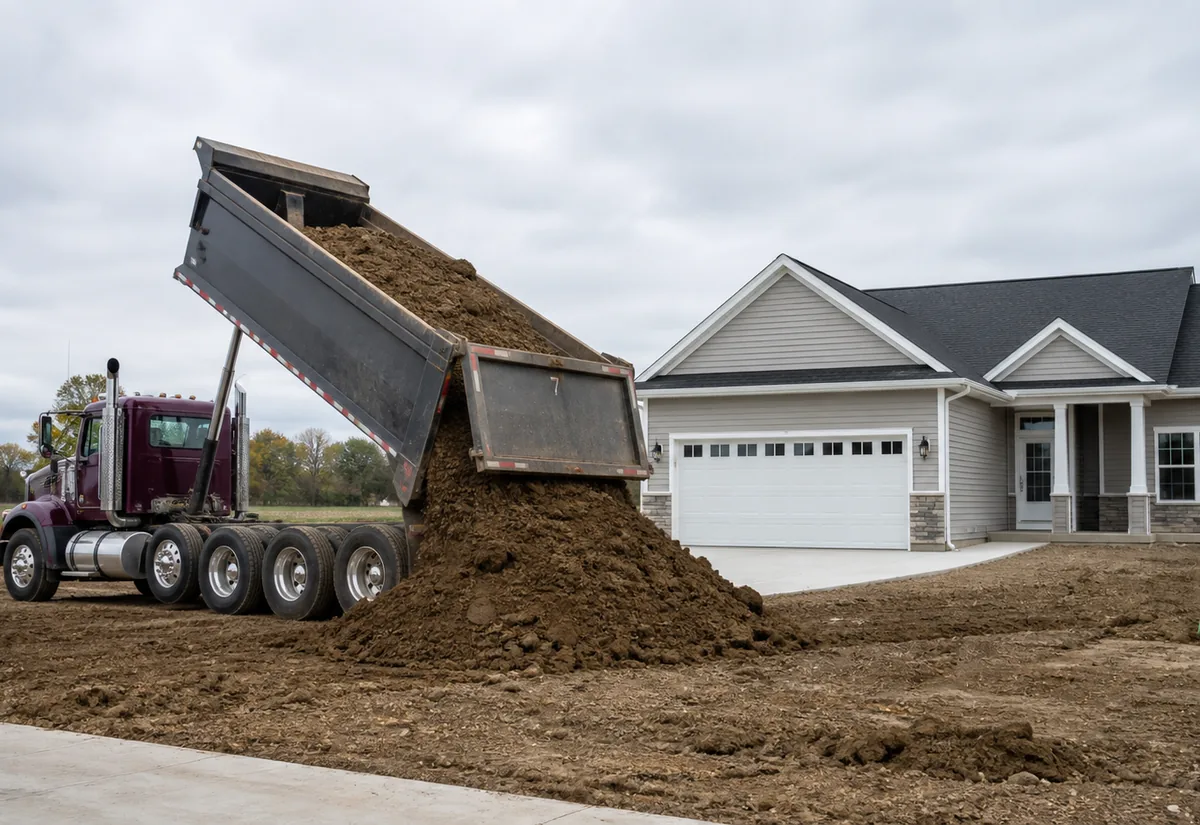
Fill dirt, select fill and topsoil delivered by the load around Grove Hill and south Alabama. We spread, shape and compact it where the job calls for it.
Learn More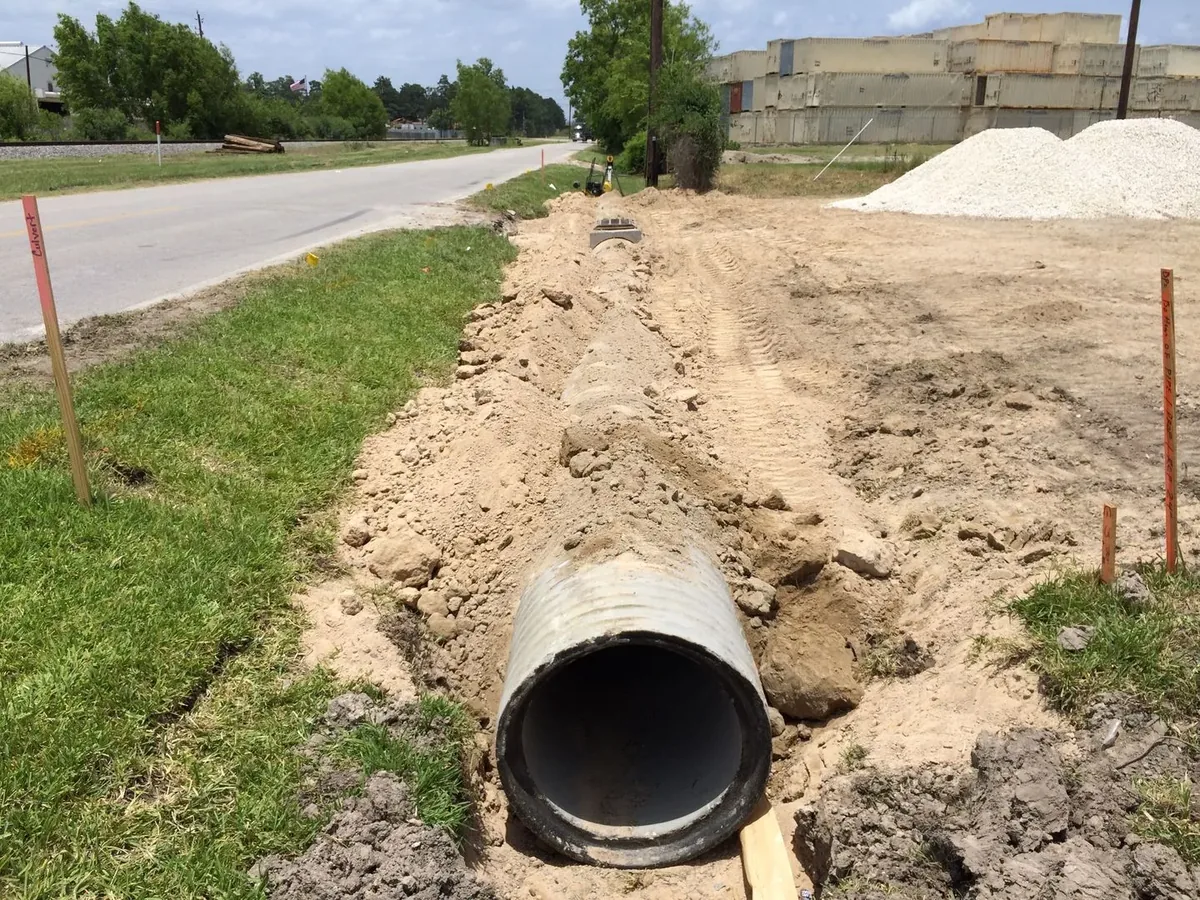
We grade and prep sites for driveways, parking lots and roads. We also set the drainage pipe and culverts that keep water off them.
Learn MoreThe site is graded to drain, the base is compacted, and the hot mix is rolled while hot.
The company that paves your driveway or lot also patches it, fills the cracks, seals it and stripes it.
Fill dirt, topsoil, crush and run, stone and millings delivered, then spread or graded for the job at hand.
We work from the timber country down to Mobile, Baldwin County and the Gulf Coast.
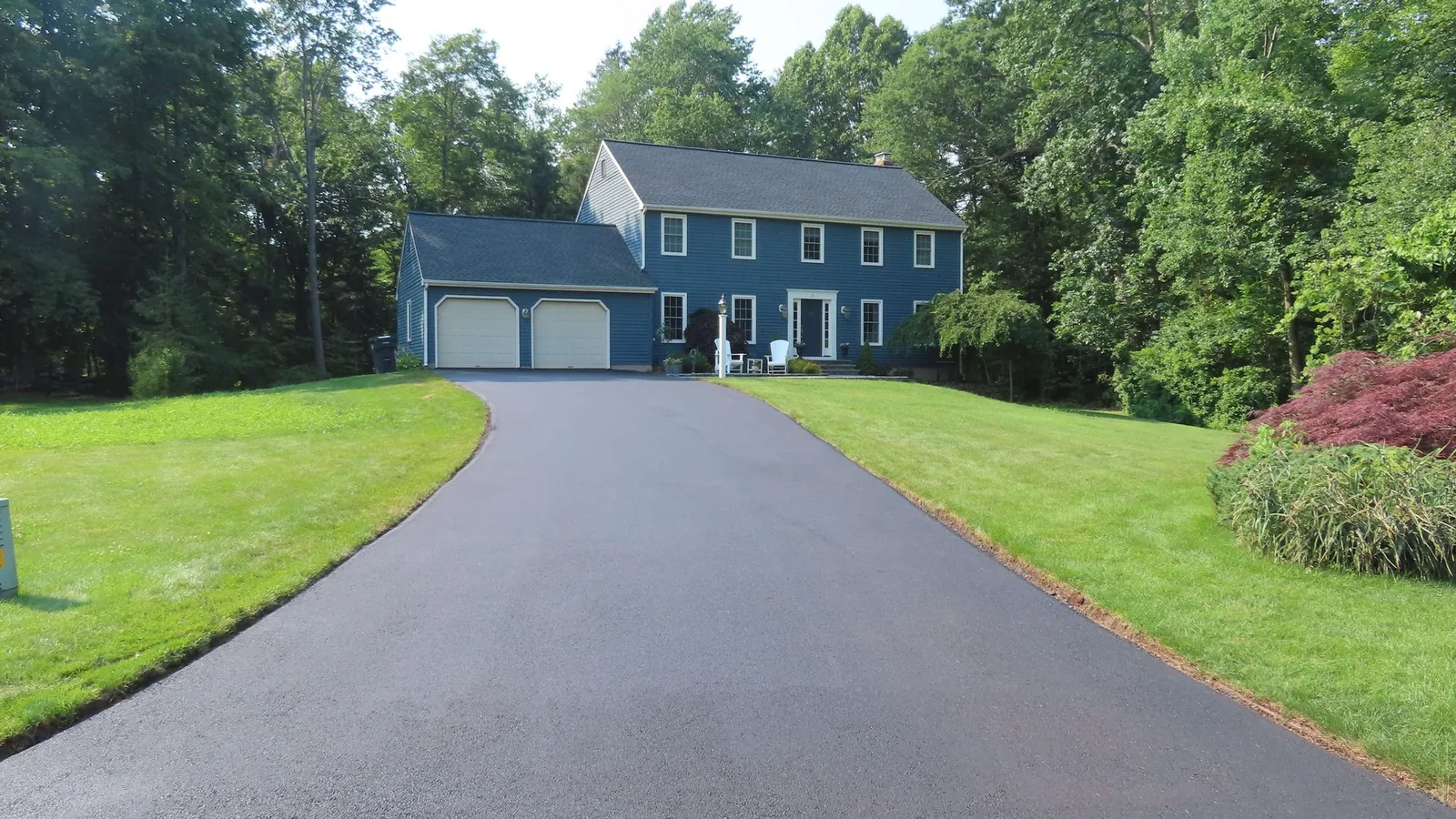
How much an asphalt driveway costs in Alabama: market ranges per square foot, per ton and by driveway size, and what moves the price on your job.
Read more →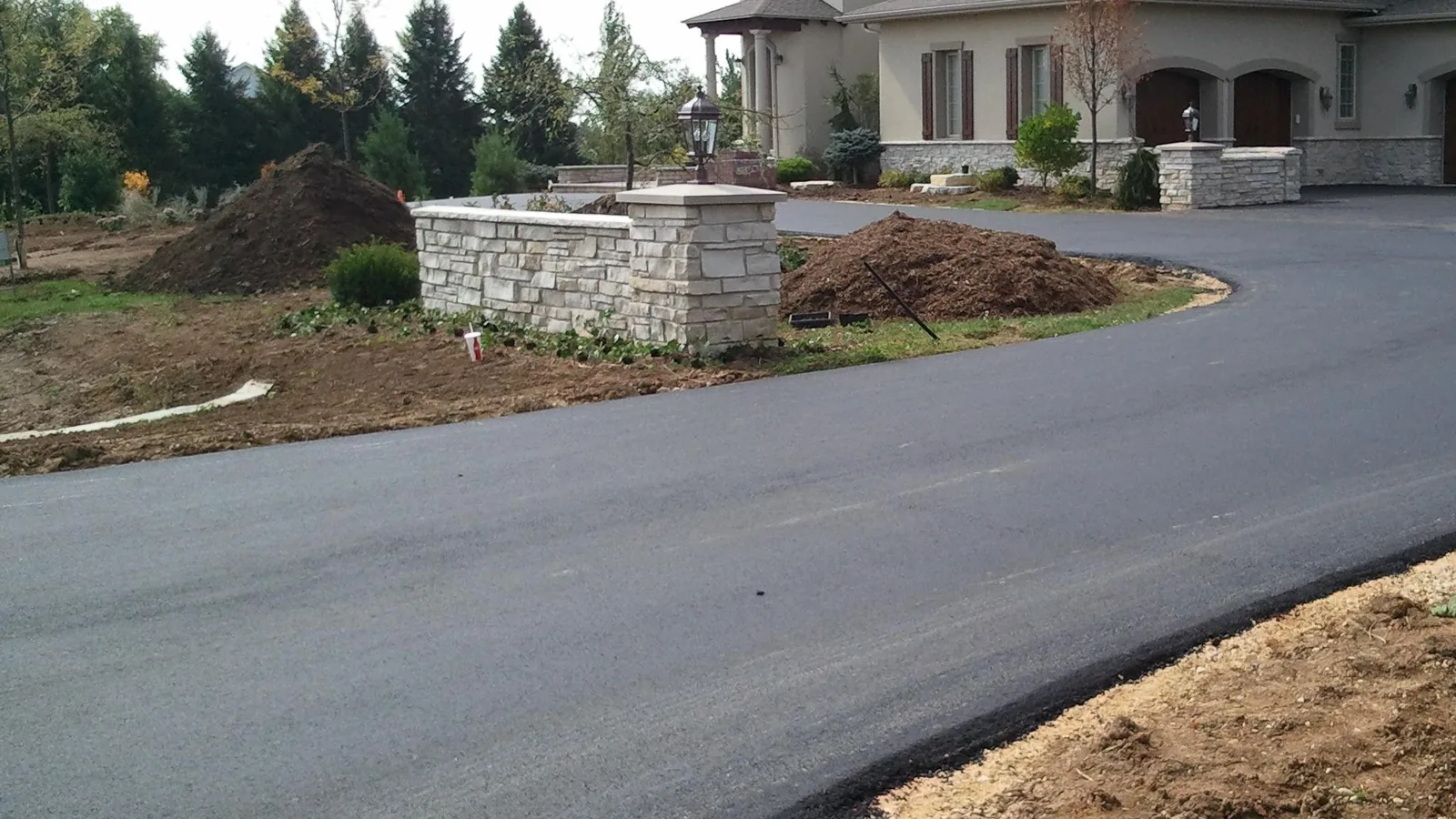
Asphalt millings or crush and run gravel in Alabama? Cost per ton, per load and per square foot, plus dust, washout, upkeep and when to pave.
Read more →Tell us about the driveway, lot or road, and where it is. Call or text (251) 589-9970 or send the form, and we will set a time to come look at it.
Tell us about the driveway, lot or road. We come out, look at the job and give you a written quote.